Hey there, fellow car enthusiasts! As a supplier of Vehicle Suspension Springs, I get asked a ton of questions about suspension setups. One of the most common questions that pops up is, "Is it possible to lower a vehicle too much using suspension springs?" Well, let's dive right into this topic and see what's what.
First off, let's talk about why people want to lower their vehicles in the first place. There are a few reasons. A lot of folks go for the aesthetic look. A lowered car just looks cool. It gives that sleek, low - slung appearance that turns heads on the street. And then there are performance benefits. Lowering the center of gravity can improve handling. When the car's center of gravity is closer to the ground, it's less likely to roll over during sharp turns. It also reduces the amount of body roll, making the car feel more stable and responsive.
But here's the thing: you can definitely go too far when lowering a vehicle with suspension springs. When you lower a car too much, you start to run into some serious problems.
One of the most immediate issues is ground clearance. If your car is sitting too low, you're going to scrape the bottom on speed bumps, potholes, and even driveway aprons. This can cause damage to the undercarriage of the vehicle. You might end up damaging the exhaust system, the oil pan, or other important components. And let's be real, getting your car stuck on a speed bump is not a good look.
Another problem is tire wear. When you lower a vehicle, the suspension geometry changes. The angles at which the tires sit relative to the road surface can be altered. This can lead to uneven tire wear. Instead of the tire wearing evenly across the tread, you might notice that one side of the tire is wearing out much faster. This not only shortens the lifespan of your tires but can also affect the handling and safety of the vehicle. Uneven tire wear can cause the car to pull to one side, making it harder to control, especially at high speeds.
The ride quality also takes a nosedive when you lower a car too much. The suspension springs are designed to absorb bumps and shocks from the road. But if the car is lowered to the point where the springs are constantly compressed, they lose their ability to do their job effectively. You'll feel every little imperfection on the road, and the ride will be much harsher. It's like going over a washboard every time you drive, and it's not exactly a comfortable experience for you or your passengers.
Let's also talk about the impact on the shock absorbers. Shock absorbers work in tandem with the suspension springs to control the movement of the car. When you lower the vehicle, the shock absorbers have to work in a different range of motion. If the car is lowered too much, the shock absorbers can become over - extended or over - compressed. This can lead to premature wear and failure of the shock absorbers. And replacing shock absorbers is not cheap, so it's something you want to avoid.
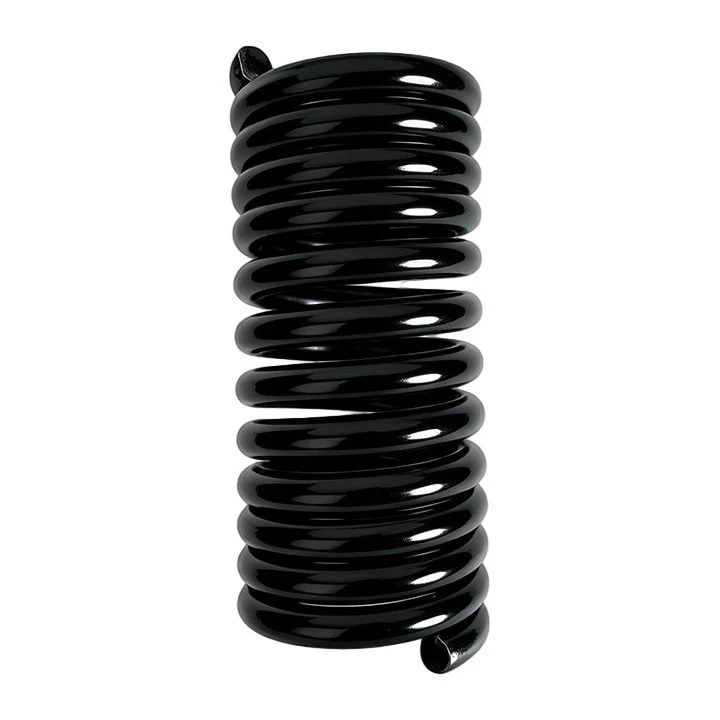

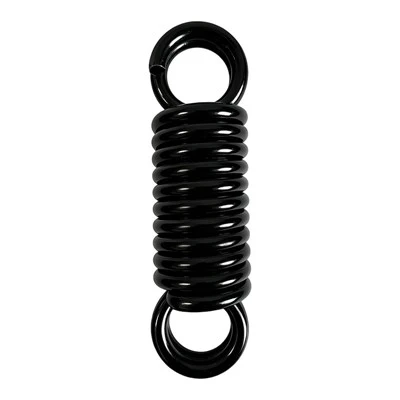
Now, as a Vehicle Suspension Spring supplier, I've seen a wide variety of springs that are used to lower vehicles. We have Large Extension Springs which are great for certain applications where you need a spring that can stretch and provide a specific amount of tension. These might be used in custom suspension setups or in vehicles that require a bit more flexibility in the suspension system.
Our High Torque Torsion Spring is another option. Torsion springs are designed to work by twisting. They can be used to provide a specific amount of resistance and help control the movement of the suspension. They're often used in high - performance vehicles where precise control is key.
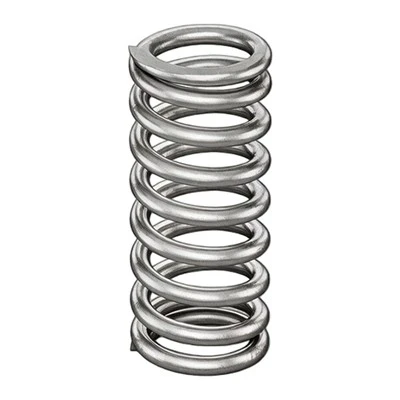
If you're looking for something more standard for lowering your car, our SS Compression Springs are a great choice. Compression springs are the most common type of spring used in vehicle suspension systems. They're designed to compress when weight is applied and then return to their original shape, providing the necessary support and rebound.
We also have Special Shaped Spring which can be customized to fit specific needs. These might be used in unique suspension setups where a standard spring won't do the job.
And of course, we offer Car Shock Absorber Spring. These are specifically designed to work with shock absorbers to provide a smooth and comfortable ride. When properly paired with the right suspension springs, they can help mitigate some of the negative effects of lowering a vehicle.
So, what's the solution? Well, the key is to find the right balance. You want to lower your vehicle enough to get the look and performance benefits you're after, but not so much that you run into all these problems. It's a good idea to consult with a professional mechanic or a suspension specialist. They can help you determine the optimal amount to lower your vehicle based on the make and model of your car, as well as your driving habits.
When choosing suspension springs, make sure you do your research. Look at the specifications of the springs and make sure they're compatible with your vehicle. Don't just go for the cheapest option, as it might not be the best quality. And if you're not sure, feel free to reach out to us. We're here to help you find the right springs for your vehicle.
In conclusion, while it's definitely possible to lower a vehicle too much using suspension springs, with the right knowledge and the right products, you can achieve that perfect lowered look and improved performance without sacrificing too much. If you're in the market for suspension springs, whether it's large extension springs, high - torque torsion springs, SS compression springs, special - shaped springs, or car shock absorber springs, we've got you covered. Just get in touch to start a conversation about your specific needs, and we'll work together to get your vehicle suspension just right.
References:
Chassis Engineering Inc. "Suspension Tuning Basics."
Heidts Hot Rod & Muscle Car Parts. "Suspension Tech Articles."