Industrial torsion springs are essential components in a wide range of applications, from automotive systems to industrial machinery. One of the key distinctions in these springs is whether they are left - hand or right - hand wound. As a trusted supplier of industrial torsion springs, I am often asked about the differences between these two types. In this blog post, I will delve into the characteristics, applications, and considerations of left - hand and right - hand wound industrial torsion springs.
1. Understanding Spring Winding Direction
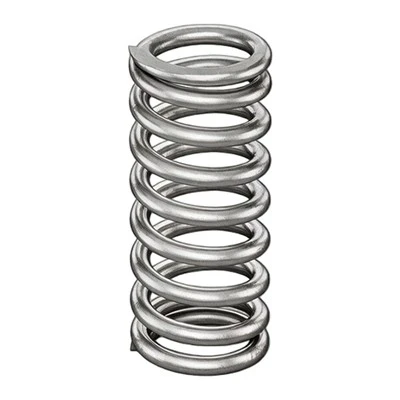
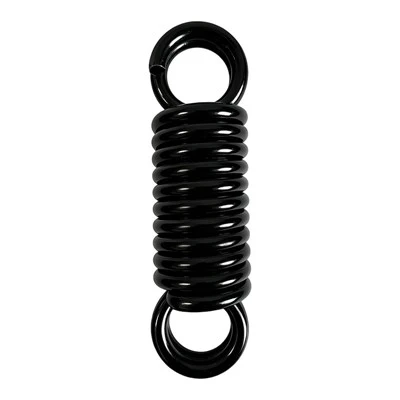
To start, let's clarify what we mean by left - hand and right - hand winding. The winding direction of a torsion spring is determined by the way the wire is coiled around the spring's axis. A right - hand wound spring is coiled in a clockwise direction when viewed from one end of the spring, much like the motion of a clock's hands. Conversely, a left - hand wound spring is coiled in a counter - clockwise direction.
This winding direction is not just a matter of aesthetics; it has significant implications for the spring's functionality and how it integrates into a given system.
2. Mechanical Properties and Torque Application
The winding direction affects how the spring applies torque. When a right - hand wound torsion spring is installed in a system and a force is applied to deflect it, the spring exerts a torque in a specific direction. Similarly, a left - hand wound spring will exert torque in the opposite direction under the same deflection force.
For example, in a door mechanism, a right - hand wound torsion spring might be used to provide the necessary torque to close the door in a clockwise motion. If the door needs to close in the opposite direction, a left - hand wound spring would be the appropriate choice. This is crucial in applications where the direction of rotation and the resulting torque are precisely defined by the design requirements of the machinery or device.
3. Installation and Compatibility
Installation is another area where the difference between left - hand and right - hand wound springs becomes apparent. The winding direction must be carefully matched to the orientation of the mounting points and the expected movement of the components in the system.
Incorrectly installed springs may not function as intended, and they can even pose safety risks. For instance, in a Vehicle Suspension Spring system, using a spring with the wrong winding direction could lead to uneven weight distribution and compromised handling. Therefore, it is essential for engineers and technicians to understand the winding direction requirements of their applications and choose the appropriate spring accordingly.
4. Applications in Different Industries
Left - hand and right - hand wound torsion springs find diverse applications across various industries:
Automotive Industry
In automobiles, torsion springs are used in a variety of subsystems. For example, in the steering column, a torsion spring helps to return the steering wheel to its central position after a turn. The winding direction is carefully selected to ensure that the spring provides the correct amount of torque in the appropriate direction. Similarly, in the engine valve train, torsion springs are used to control the opening and closing of valves, and the winding direction is crucial for proper valve operation.
Industrial Machinery
In industrial machinery, torsion springs are used in conveyor systems, latches, and levers. A Left - hand or right - hand wound spring might be used in a conveyor belt tensioning mechanism to maintain the correct tension and ensure smooth operation. Depending on the design of the machinery, the appropriate winding direction is chosen to optimize the performance of the system.
Consumer Goods
In consumer goods such as toys and appliances, torsion springs are also commonly used. For example, in a clothespin, a torsion spring provides the clamping force. The winding direction of the spring can affect how easily the clothespin can be opened and closed.
5. Material and Manufacturing Considerations
The choice between left - hand and right - hand wound springs can also impact the material selection and manufacturing process. The same material can exhibit slightly different mechanical properties depending on the winding direction. For instance, the stress distribution within the spring wire during operation can vary, which may affect the spring's fatigue life.
During manufacturing, the winding direction must be precisely controlled. Our manufacturing process at [Company Name not given, assume a reliable source] ensures that each spring is wound to the highest quality standards, regardless of whether it is a left - hand or right - hand wound spring. We use advanced winding machinery and quality control measures to ensure consistency and accuracy.
6. Stock Availability and Customization
As a supplier, we maintain a diverse inventory of both left - hand and right - hand wound industrial torsion springs. This allows us to meet the immediate needs of our customers. Additionally, we offer customization services for customers with specific requirements.
Whether you need a Small Compression Coil Springs with a particular winding direction or a large - scale industrial Extension Helical Spring, our experienced team can work with you to design and manufacture the perfect spring. We also have access to a wide range of materials, including 316 Stainless Steel Spring, which offers excellent corrosion resistance and durability.
7. Conclusion and Call to Action
In conclusion, the difference between left - hand and right - hand wound industrial torsion springs is significant and has far - reaching implications for their performance, installation, and application. Understanding these differences is crucial for engineers, designers, and anyone involved in the selection and implementation of torsion springs.


As an industry - leading supplier of industrial torsion springs, we are committed to providing high - quality products and excellent customer service. If you have any questions about left - hand or right - hand wound springs, or if you are interested in discussing your specific requirements, please feel free to reach out to us. We are here to help you find the best spring solutions for your projects.
References
- "Mechanical Springs Handbook"
- "Automotive Suspension Design and Analysis"
- Technical literature from spring manufacturers and industry associations.