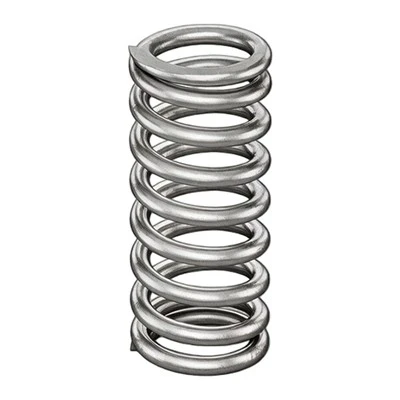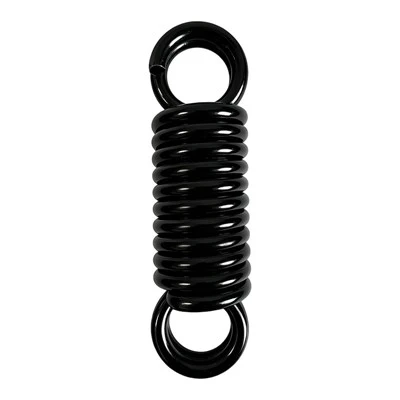
As a supplier specializing in Hardware Spring Wire, I'm often asked whether our products are suitable for outdoor use. The answer is not a simple yes or no; it depends on several critical factors, including the type of wire, environmental conditions, and intended application. In this blog, I'll delve into these aspects to provide a comprehensive understanding of using hardware spring wire in outdoor settings.
Types of Hardware Spring Wire and Their Suitability for Outdoor Use
Carbon Steel Spring Wire
Carbon Steel Spring Wire is one of the most common materials used in the spring manufacturing industry. It offers high strength and good elasticity, making it suitable for a wide range of applications. However, when it comes to outdoor use, carbon steel is vulnerable to corrosion, especially in humid or coastal environments. Rust can compromise the integrity of the wire, leading to reduced strength and potential failure.
To mitigate the risk of corrosion, carbon steel spring wire can be coated with various protective layers, such as zinc, cadmium, or epoxy. These coatings act as a barrier between the metal and the surrounding environment, slowing down the corrosion process. However, the effectiveness of the coating depends on its quality and thickness, as well as the severity of the environmental conditions. In general, carbon steel spring wire with a proper coating can be used outdoors for short - to medium - term applications, but it may require regular maintenance and inspection.
Stainless Steel Spring Wire
Stainless steel spring wire is a more corrosion - resistant alternative to carbon steel. Two popular grades are 304 Stainless Steel Spring Wire and 316 Stainless Steel Spring Wire.
304 stainless steel contains chromium and nickel, which form a passive oxide layer on the surface of the wire. This layer protects the metal from corrosion in most mild to moderate outdoor environments, such as urban and suburban areas. However, it may not be suitable for highly corrosive environments, such as coastal areas with high salt content in the air or industrial areas with high levels of pollutants.


316 stainless steel, on the other hand, contains additional molybdenum, which enhances its corrosion resistance. It is particularly suitable for outdoor applications in harsh environments, including coastal regions and chemical - processing areas. 316 stainless steel spring wire can withstand prolonged exposure to salt water, acids, and alkalis, making it a reliable choice for long - term outdoor use.
Spring Temper Wire
Spring Temper Wire is available in various materials, including carbon steel and stainless steel. The tempering process gives the wire its characteristic elasticity and strength. When selecting spring temper wire for outdoor use, the same considerations regarding corrosion resistance apply. Whether it's carbon steel or stainless steel spring temper wire, the choice of material should be based on the specific outdoor environment where the wire will be used.
Environmental Factors Affecting Outdoor Use
Moisture
Moisture is one of the primary factors that can cause corrosion in hardware spring wire. In humid environments, water molecules can react with the metal, forming rust or other corrosion products. High humidity levels, especially in combination with temperature fluctuations, can accelerate the corrosion process. Condensation can also occur on the surface of the wire, providing a conductive medium for corrosion.
Salt
Salt is a highly corrosive substance, especially for metals. In coastal areas, the air contains salt particles that can deposit on the surface of the spring wire. Saltwater spray can also directly contact the wire, causing rapid corrosion. Even a small amount of salt can significantly reduce the lifespan of carbon steel spring wire. Stainless steel, particularly 316 grade, is more resistant to salt corrosion, but it is still important to ensure proper installation and maintenance to prevent long - term damage.
Temperature
Extreme temperatures can affect the performance of hardware spring wire. In cold temperatures, the wire may become more brittle, increasing the risk of cracking or breaking under stress. In hot temperatures, the wire may lose its elasticity and strength over time. Additionally, temperature variations can cause thermal expansion and contraction, which can lead to mechanical stress on the wire and potentially affect its performance.
Chemicals
Outdoor environments may contain various chemicals, such as acids, alkalis, and pollutants. These chemicals can react with the metal in the spring wire, causing corrosion or other forms of degradation. Industrial areas, agricultural fields, and areas near chemical plants are particularly prone to chemical contamination. When selecting hardware spring wire for outdoor use in these areas, it is crucial to choose a material that is resistant to the specific chemicals present.
Applications of Hardware Spring Wire Outdoors
Fencing and Gates
Hardware spring wire can be used in fencing and gate applications to provide tension and support. For example, carbon steel spring wire with a protective coating can be used in rural or low - traffic areas where the risk of corrosion is relatively low. In coastal or high - humidity areas, stainless steel spring wire is a better choice to ensure long - term durability.
Outdoor Furniture
Spring wire is often used in the construction of outdoor furniture, such as chairs and loungers, to provide comfort and support. Stainless steel spring wire is preferred for outdoor furniture due to its corrosion resistance and ability to withstand the elements. It can maintain its shape and performance over time, even with regular use and exposure to sunlight, rain, and humidity.
Automobile and Marine Applications
In the automotive and marine industries, hardware spring wire is used in various components, such as suspension systems and door locks. These applications require high - strength and corrosion - resistant wire, especially in outdoor environments. 316 stainless steel spring wire is commonly used in marine applications due to its excellent resistance to saltwater corrosion.
How to Ensure the Long - Term Performance of Hardware Spring Wire Outdoors
Proper Material Selection
The first step in ensuring the long - term performance of hardware spring wire outdoors is to select the right material. Consider the environmental conditions, including humidity, salt content, temperature, and chemical exposure. If the environment is mild, carbon steel with a good coating may be sufficient. However, for harsh environments, stainless steel, particularly 316 grade, is strongly recommended.
Coating and Surface Treatment
Applying a protective coating or surface treatment to the wire can significantly improve its corrosion resistance. As mentioned earlier, zinc, cadmium, and epoxy coatings can be used for carbon steel wire. For stainless steel wire, passivation can be used to enhance the passive oxide layer and improve its resistance to corrosion.
Regular Inspection and Maintenance
Regular inspection and maintenance are essential for outdoor hardware spring wire. Check for signs of corrosion, such as rust spots or discoloration. Replace any damaged or corroded wires promptly to prevent further damage. Cleaning the wire periodically can also help remove dirt, salt, and other contaminants that may contribute to corrosion.
Conclusion
In summary, hardware spring wire can be used outdoors, but the suitability depends on the type of wire, environmental conditions, and intended application. Carbon steel spring wire can be used in mild outdoor environments with proper coating and maintenance, while stainless steel spring wire, especially 316 grade, is more suitable for harsh outdoor conditions. By carefully considering these factors and taking appropriate measures, you can ensure the long - term performance of hardware spring wire in outdoor applications.
If you are interested in purchasing hardware spring wire for your outdoor projects, please contact us for more information and to discuss your specific requirements. We are committed to providing high - quality spring wire solutions that meet your needs and ensure the success of your applications.
References
- American Society for Testing and Materials (ASTM) standards related to spring wire materials.
- Corrosion Science and Engineering textbooks for understanding metal corrosion mechanisms and prevention methods.
- Industry research reports on the performance of different types of spring wire in outdoor environments.