Can Oil Tempered Spring Wire be used in food - related equipment?
As a supplier of Oil Tempered Spring Wire, I often encounter inquiries from customers about the suitability of our product for food - related equipment. This is a crucial question, considering the strict safety and hygiene standards in the food industry. In this blog, I will delve into the properties of Oil Tempered Spring Wire and analyze whether it can be used in food - related equipment.
Properties of Oil Tempered Spring Wire
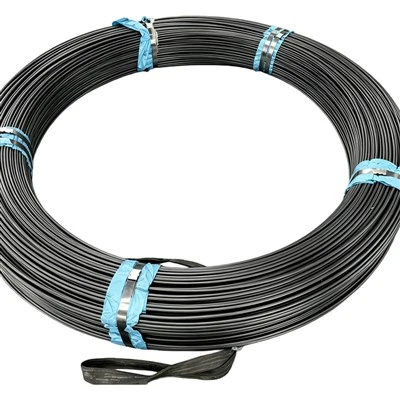
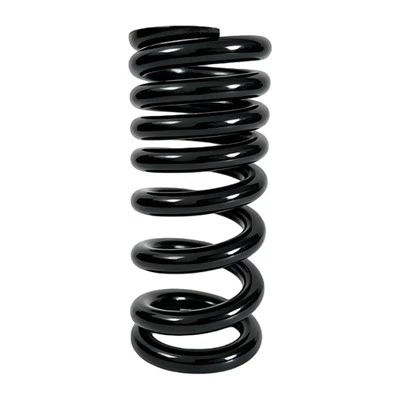
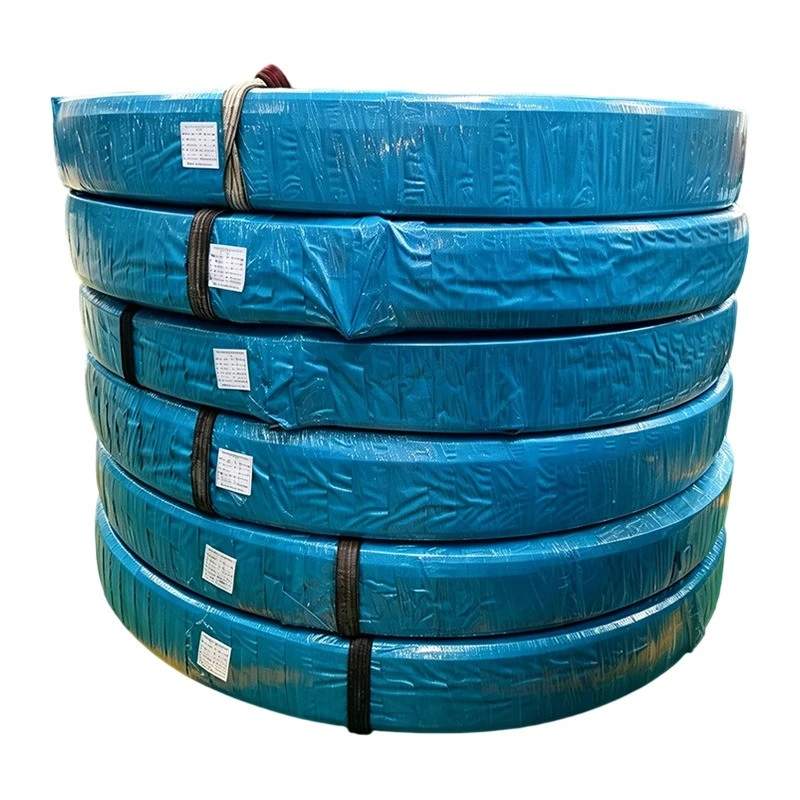
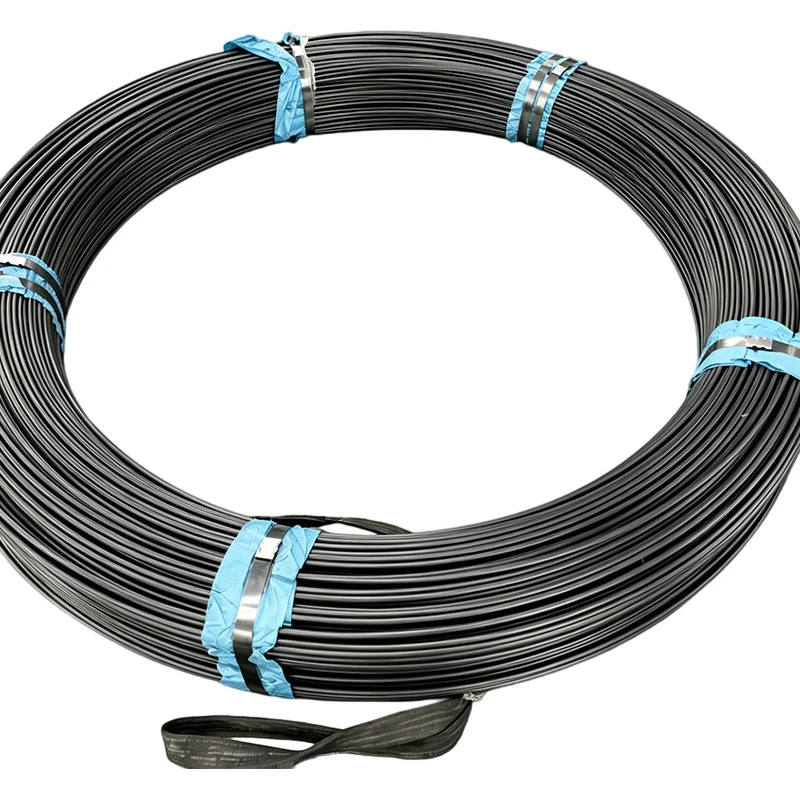
Oil Tempered Spring Wire is a type of high - strength steel wire that has undergone a heat - treating process known as oil tempering. This process involves heating the wire to a specific temperature and then quenching it in oil, which results in enhanced strength, toughness, and resistance to fatigue. These properties make the wire ideal for a wide range of applications, including automotive, industrial machinery, and furniture.
The chemical composition of Oil Tempered Spring Wire typically includes carbon, manganese, silicon, and small amounts of other alloying elements. These elements contribute to the wire's mechanical properties. For instance, carbon increases the wire's hardness, while manganese improves its strength and ductility.
Requirements for Food - Related Equipment
Food - related equipment must meet stringent safety and hygiene standards to ensure the safety of consumers. These standards cover various aspects, such as material composition, corrosion resistance, and surface finish.
The materials used in food - related equipment should be non - toxic and non - reactive with food substances. This means that the materials should not leach harmful chemicals into the food, which could pose a health risk. Additionally, the materials should have good corrosion resistance to prevent rusting, which could contaminate the food.
The surface finish of the equipment is also important. A smooth surface is easier to clean and sanitize, reducing the risk of bacterial growth. Any crevices or rough surfaces in the equipment can trap food particles and bacteria, leading to potential food safety issues.
Can Oil Tempered Spring Wire Meet the Requirements?
Material Composition
One of the main concerns regarding the use of Oil Tempered Spring Wire in food - related equipment is its chemical composition. While the alloying elements in the wire are generally safe in normal industrial applications, their potential interaction with food substances needs to be carefully evaluated.
Carbon steel, which is often used in Oil Tempered Spring Wire, can corrode when exposed to moisture and certain food acids. Corrosion can lead to the release of iron and other metal ions into the food, which may affect the taste and quality of the food and, in some cases, pose a health risk.
Corrosion Resistance
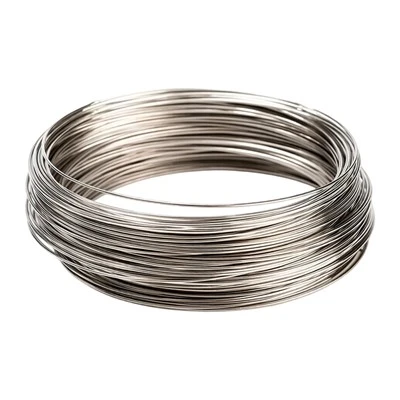
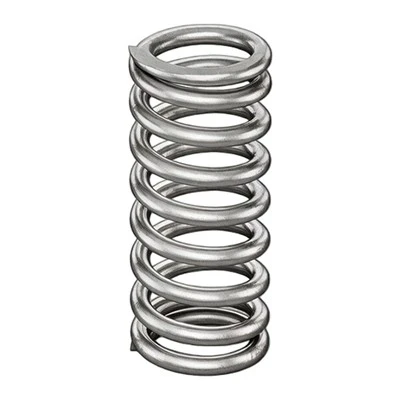
The corrosion resistance of Oil Tempered Spring Wire is relatively limited compared to some other materials commonly used in food - related equipment. Stainless steel, for example, such as 316 Stainless Steel Spring Wire and 302 Stainless Steel Spring Wire, has excellent corrosion resistance due to the presence of chromium and nickel. These elements form a passive oxide layer on the surface of the steel, preventing further corrosion.
In contrast, Oil Tempered Spring Wire may not be able to withstand the corrosive environment in food - processing facilities, especially if the food contains acidic or alkaline substances. For example, in a fruit - juicing machine, the acidic nature of the fruit juices could cause the Oil Tempered Spring Wire to corrode over time.
Surface Finish
The surface finish of Oil Tempered Spring Wire may not be as smooth as required for food - related equipment. The heat - treating and oil - tempering processes can leave a rough surface on the wire, which can trap food particles and bacteria. This makes it difficult to clean the wire thoroughly, increasing the risk of cross - contamination.
Alternative Options
While Oil Tempered Spring Wire may not be the best choice for direct contact with food, there are alternative materials that can be used in food - related equipment.
Stainless Steel Spring Wire is a popular choice due to its excellent corrosion resistance, non - toxicity, and smooth surface finish. Stainless steel contains chromium, which forms a passive oxide layer on the surface, protecting the steel from corrosion. Additionally, Carbon Steel Spring Wire can be coated with food - grade materials, such as epoxy or ceramic, to improve its corrosion resistance and make it suitable for food - related applications.
When Oil Tempered Spring Wire Might Be Used
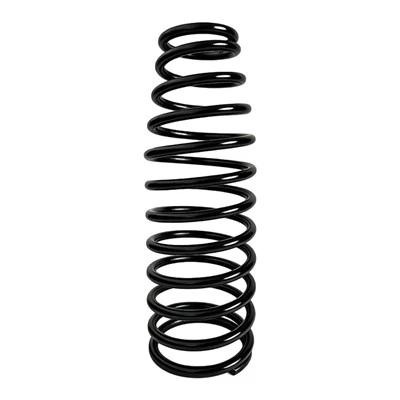
There are some situations where Oil Tempered Spring Wire can be used in food - related equipment, but with certain precautions. If the wire is not in direct contact with food, such as in the mechanical parts of food - processing machinery that are not in contact with the food product, Oil Tempered Spring Wire can be used.
For example, in the conveyor systems of a bakery, the springs that are used to adjust the tension of the conveyor belts are not in direct contact with the baked goods. In such cases, Oil Tempered Spring Steel Wire can provide the necessary strength and durability.
Conclusion
In conclusion, while Oil Tempered Spring Wire has excellent mechanical properties, its suitability for food - related equipment is limited. Due to its relatively poor corrosion resistance and potential for chemical leaching, it is not recommended for direct contact with food. However, in non - food - contact applications within food - related equipment, it can still be a viable option.
If you are in the process of selecting materials for your food - related equipment, it is important to consult with a professional to ensure that you choose the most appropriate material. As a supplier of Oil Tempered Spring Wire and other types of spring wires, we are here to provide you with expert advice and high - quality products. If you have any questions or are interested in purchasing our products, please feel free to contact us for further discussion and procurement negotiation.
References
- ASM Handbook Committee. (1990). ASM Handbook Volume 4: Heat Treating. ASM International.
- Food and Drug Administration. (2020). Code of Federal Regulations Title 21. U.S. Government Publishing Office.
- Metals Handbook Committee. (1990). Metals Handbook Volume 1: Properties and Selection - Irons, Steels, and High - Performance Alloys. ASM International.