As a supplier of industrial door springs, I understand the importance of proper storage for these essential components. Industrial door springs play a crucial role in the smooth operation of various types of doors, including overhead doors, garage doors, and industrial rolling doors. Improper storage can lead to damage, corrosion, and a decrease in the spring's performance and lifespan. In this blog post, I will share some scientific and practical tips on how to store industrial door springs properly.
Understanding the Types of Industrial Door Springs
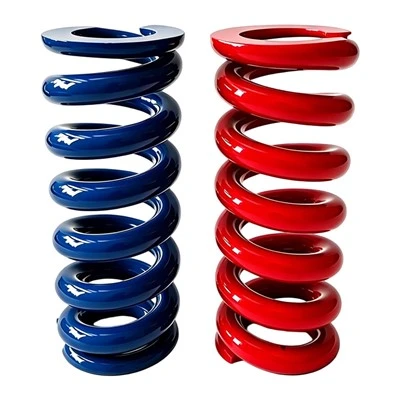
Before discussing storage methods, it's important to understand the different types of industrial door springs. The most common types include torsion springs, extension springs, and compression springs. Torsion springs are typically used in overhead doors and operate by twisting to store and release energy. Extension springs, on the other hand, stretch to provide the necessary force for door operation. Compression springs are designed to compress under load and are often used in industrial applications where a pushing force is required.
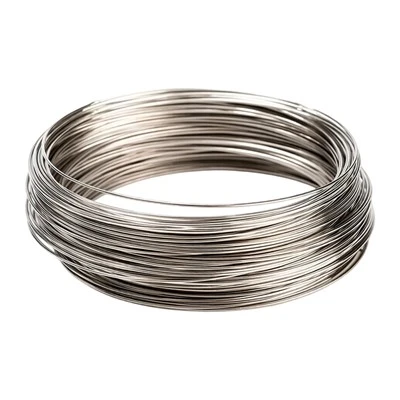
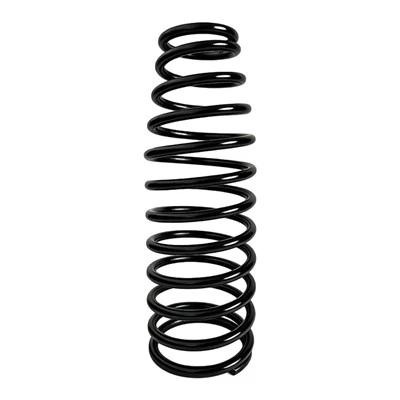
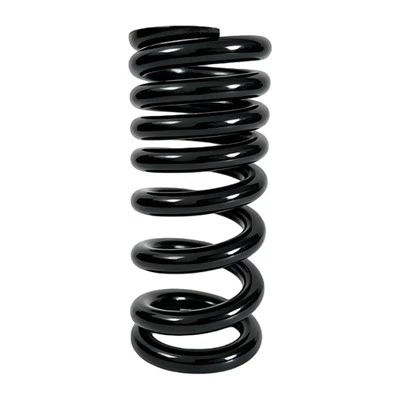
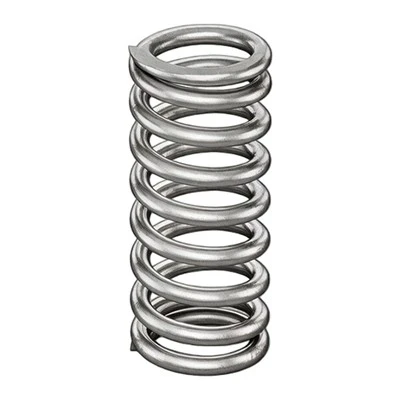
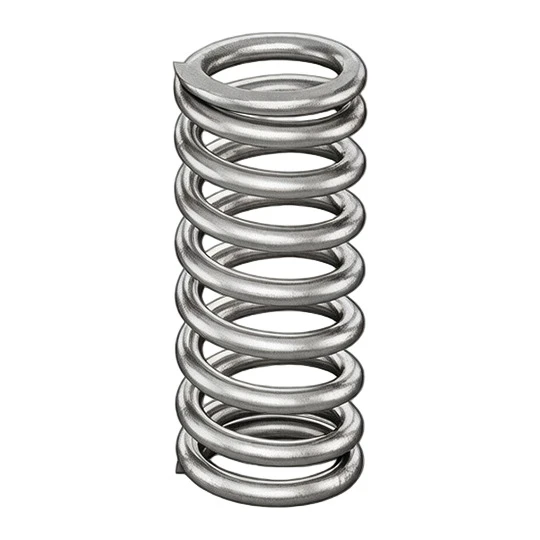
In addition to these standard types, there are also specialized springs such as 316 Stainless Steel Spring, Industrial Tension Springs, SS Compression Springs, Special Shaped Spring, and Vehicle Suspension Spring. Each type of spring has its own unique characteristics and requirements for storage.
Factors Affecting Spring Storage
Several factors can affect the storage of industrial door springs, including temperature, humidity, and exposure to chemicals or contaminants. High temperatures can cause the spring material to expand, which may lead to a loss of tension and a decrease in performance. Humidity can also cause corrosion, especially if the springs are not properly coated or protected. Exposure to chemicals or contaminants can damage the spring's surface and reduce its strength.
Ideal Storage Conditions
To ensure the longevity and performance of industrial door springs, it's important to store them in an environment that is cool, dry, and free from contaminants. The ideal temperature range for spring storage is between 50°F and 70°F (10°C and 21°C). This temperature range helps to prevent the spring material from expanding or contracting, which can affect its tension and performance.
Humidity levels should be kept below 50% to prevent corrosion. If the storage area is prone to high humidity, it may be necessary to use a dehumidifier or desiccant to control the moisture levels. Additionally, the storage area should be clean and free from dust, dirt, and other contaminants that can damage the spring's surface.
Storage Containers and Packaging
When storing industrial door springs, it's important to use appropriate storage containers and packaging to protect them from damage. Springs should be stored in a container that is large enough to prevent them from being compressed or deformed. Plastic bins or metal cabinets are ideal for spring storage, as they provide a protective barrier against dust, dirt, and moisture.
If the springs are being shipped or transported, they should be packaged in a way that prevents them from moving or shifting during transit. This can be achieved by using foam inserts or padding to secure the springs in place. Additionally, the packaging should be labeled with the type of spring, its specifications, and any handling instructions.
Coating and Protection
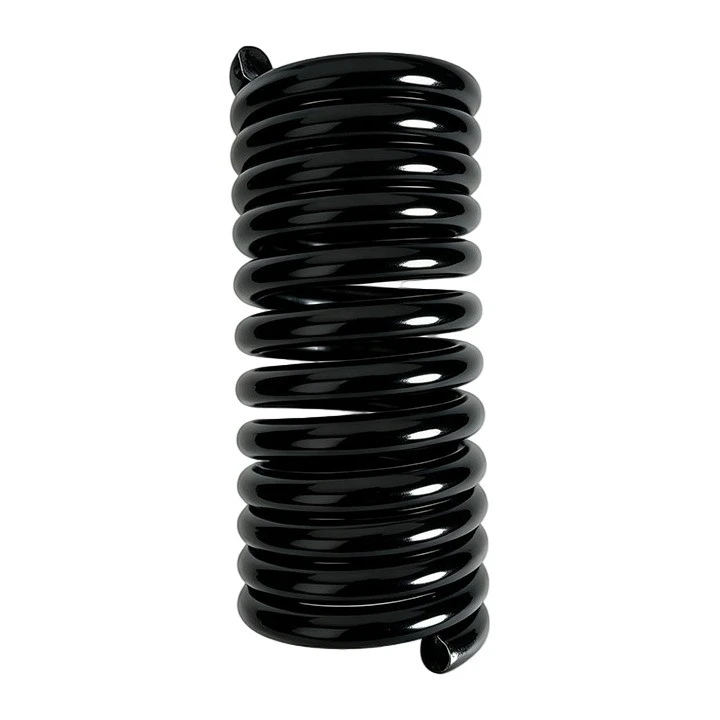
To further protect industrial door springs from corrosion and damage, it's recommended to apply a protective coating or finish. There are several types of coatings available, including zinc plating, powder coating, and epoxy coating. Zinc plating is a common coating method that provides a protective layer against rust and corrosion. Powder coating and epoxy coating offer additional protection and can also enhance the spring's appearance.
In addition to coating, it's important to inspect the springs regularly for signs of damage or corrosion. If any damage is detected, the springs should be replaced immediately to prevent further problems.
Organizing and Labeling
Proper organization and labeling are essential for efficient spring storage. Springs should be organized by type, size, and specification to make it easy to find the right spring when needed. Each container or package should be labeled with the type of spring, its specifications, and any other relevant information.
This not only makes it easier to locate the springs but also helps to prevent confusion and errors when selecting the appropriate spring for a specific application.
Handling and Storage Precautions
When handling industrial door springs, it's important to take certain precautions to prevent damage. Springs should be handled with care and should not be bent, twisted, or compressed beyond their specified limits. This can cause the spring to lose its tension and performance, and may even lead to breakage.
Additionally, springs should be stored in a way that prevents them from coming into contact with sharp objects or edges. This can cause scratches or damage to the spring's surface, which can lead to corrosion and a decrease in performance.
Conclusion
Proper storage of industrial door springs is essential for maintaining their performance and lifespan. By understanding the different types of springs, the factors that affect their storage, and the ideal storage conditions, you can ensure that your springs are protected from damage and corrosion. Using appropriate storage containers and packaging, applying a protective coating, and organizing and labeling your springs can also help to make the storage process more efficient and effective.
If you are in need of high-quality industrial door springs, please feel free to contact us for a consultation and purchase negotiation. We are committed to providing our customers with the best products and services to meet their needs.
References
- "Spring Design Handbook" by William A. Nash
- "Mechanical Springs" by S. H. Crandall and N. C. Dahl