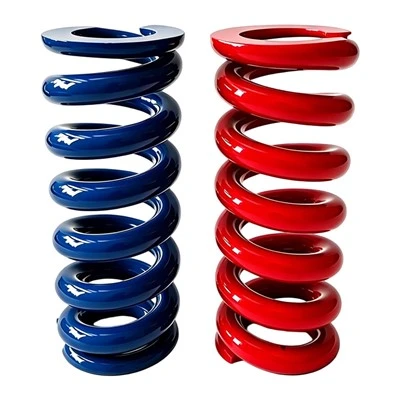
Hey there, folks! I'm a supplier in the precision spring game, and today I wanna chat about the materials commonly used for making precision springs. Precision springs are everywhere, from the tiniest gadgets to hefty industrial machinery, and the material they're made from plays a huge role in their performance.
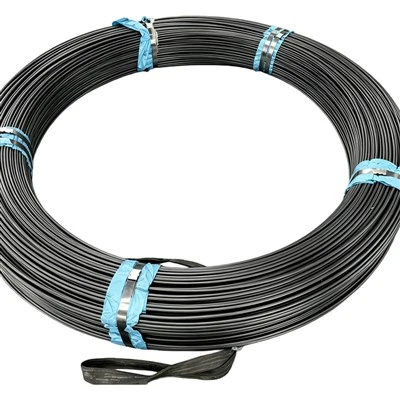
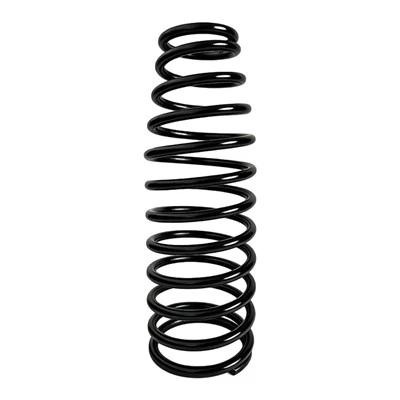
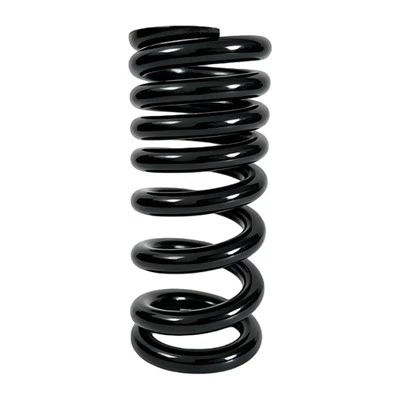
Let's start with one of the most popular materials: carbon steel. Carbon steel springs are a classic choice. They're strong, durable, and relatively inexpensive. The high carbon content gives them great tensile strength, which means they can handle a lot of stress without deforming easily. You'll often find carbon steel springs in automotive parts, like the Automotive Suspension Spring. These springs need to be tough to withstand the constant bumps and jolts on the road. Carbon steel springs also work well in household appliances, such as washing machines and refrigerators, where they help with the movement and functionality of various components.
However, carbon steel does have its drawbacks. It's prone to corrosion, especially in wet or humid environments. So, if your precision spring is going to be exposed to moisture, you might want to consider a different material.
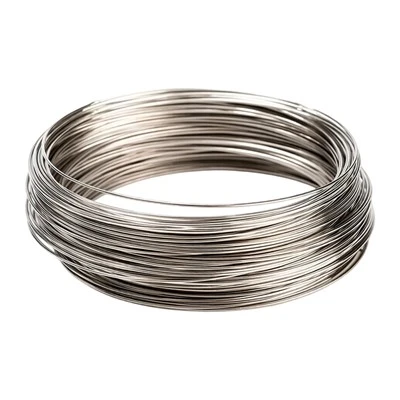
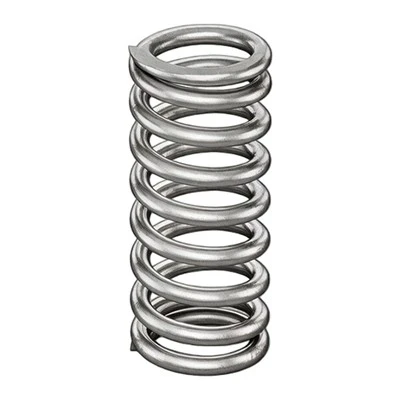
Next up is stainless steel. Stainless steel is a game - changer when it comes to corrosion resistance. It contains chromium, which forms a thin, protective layer on the surface of the spring, preventing rust and other forms of corrosion. There are different types of stainless steel, but 304 and 316 are the most commonly used for precision springs.
316 Stainless Steel Spring is particularly great for applications where the spring will be in contact with chemicals or saltwater. It's often used in marine equipment, food processing machinery, and medical devices. The 316 grade has a higher molybdenum content, which enhances its corrosion resistance even further. 304 stainless steel is also widely used. It's more cost - effective than 316 and still offers good corrosion protection. You can find 304 stainless steel springs in electronics, furniture, and many other consumer products.
Another advantage of stainless steel is its aesthetic appeal. It has a shiny, clean look, which makes it suitable for applications where appearance matters.
Now, let's talk about alloy steels. Alloy steels are made by adding other elements to carbon steel to improve its properties. For example, adding nickel can increase the strength and toughness of the spring, while adding vanadium can enhance its heat resistance.
Alloy steel springs are commonly used in high - performance applications, such as aviation and aerospace. These industries require springs that can withstand extreme temperatures, high pressures, and harsh environments. In aircraft, alloy steel springs are used in landing gear systems, engine components, and control mechanisms. The High Torque Torsion Spring made from alloy steel is designed to handle a large amount of torque, making it ideal for aerospace applications where precision and reliability are crucial.
But alloy steels are more expensive than carbon steel and some stainless steels, and they can be more difficult to manufacture. So, they're usually reserved for applications where their unique properties are really needed.
Copper alloys are another option for making precision springs. Brass and phosphor bronze are two of the most common copper alloys used. Brass springs are known for their good electrical conductivity and corrosion resistance. They're often used in electrical and electronic devices, such as switches, connectors, and relays. Brass has a low friction coefficient, which makes it suitable for applications where smooth movement is required.
Phosphor bronze springs, on the other hand, have higher strength and better wear resistance than brass. They're commonly used in musical instruments, clocks, and other precision mechanisms. The addition of phosphorus and tin to copper gives phosphor bronze its unique properties, making it a popular choice for applications where the spring needs to maintain its shape and performance over a long period.
Titanium is a relatively new material in the precision spring industry, but it's quickly gaining popularity. Titanium springs are incredibly strong and lightweight. They have a high strength - to - weight ratio, which means they can provide the same amount of force as a heavier spring made from another material.
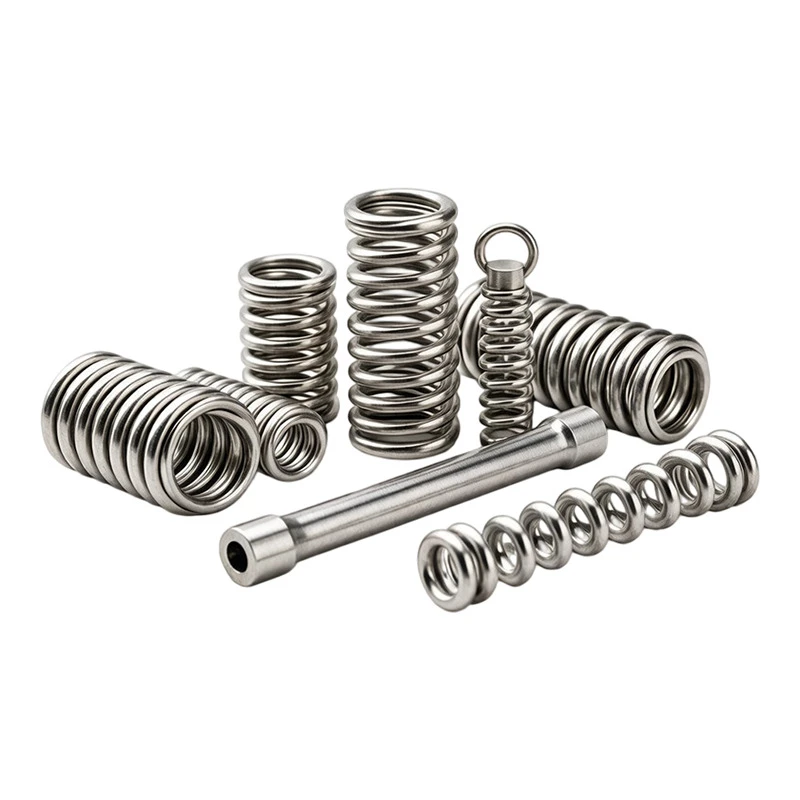
Titanium is also highly corrosion - resistant, even in extremely harsh environments. You'll find titanium springs in high - end sporting equipment, such as golf clubs and bicycles, where weight reduction is a key factor. In the medical field, titanium springs are used in implants because of their biocompatibility, which means they can be safely used inside the human body without causing an immune reaction.
When it comes to choosing the right material for a precision spring, there are several factors to consider. First of all, you need to think about the environment in which the spring will operate. If it's going to be exposed to moisture, chemicals, or high temperatures, you'll need a material that can withstand those conditions.
The load requirements are also important. How much force will the spring need to handle? Will it be under constant stress or only occasional stress? The size and shape of the spring can also affect the choice of material. Some materials are more difficult to form into complex shapes, so you need to make sure the material you choose is suitable for the manufacturing process.
As a precision spring supplier, I've seen firsthand how the right material can make or break a spring's performance. That's why I always work closely with my customers to understand their specific needs and recommend the best material for their application.
If you're in the market for Precision Spring, whether it's for a small electronic device or a large industrial machine, I'm here to help. I've got a wide range of materials and manufacturing capabilities to ensure that you get the perfect spring for your project. Don't hesitate to reach out and start a conversation about your requirements. We can discuss the best material, the right design, and the most cost - effective solution.
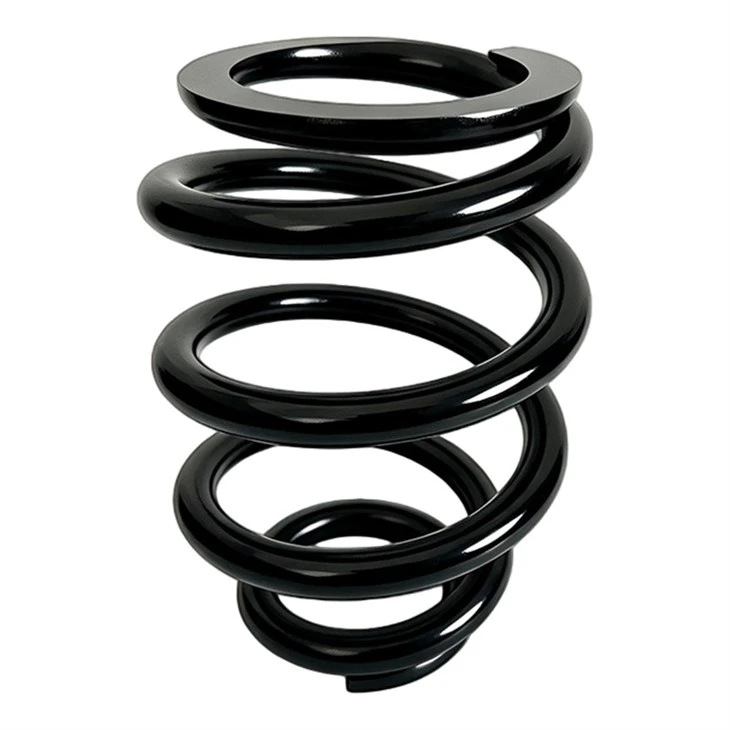
In the motorcycle industry, Motorcycle Shock Absorber Springs are a critical component. The material used for these springs needs to be able to handle the vibrations and impacts of the road while providing a smooth ride. Stainless steel and alloy steels are often used for motorcycle shock absorber springs because of their strength and durability.
To sum it up, there's a wide variety of materials available for making precision springs, each with its own set of advantages and disadvantages. Carbon steel is strong and affordable but prone to corrosion. Stainless steel offers excellent corrosion resistance and comes in different grades for various applications. Alloy steels are for high - performance needs but are more expensive. Copper alloys are great for electrical and precision applications, and titanium is a lightweight and strong option for specialized uses.
If you're interested in learning more about precision springs or need to source some for your project, feel free to get in touch. I'm always happy to share my knowledge and help you find the best solution for your needs. Let's start a conversation and see how we can work together to get you the perfect precision springs.
References:
- "Spring Design Handbook" by Spring Manufacturers Institute
- "Materials Science and Engineering: An Introduction" by William D. Callister Jr. and David G. Rethwisch
- Various industry brochures and technical papers on precision spring materials