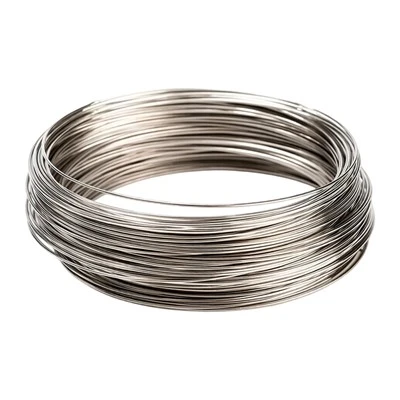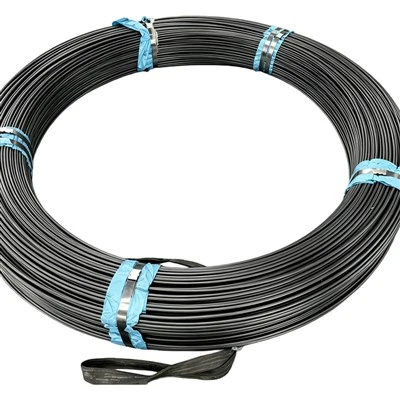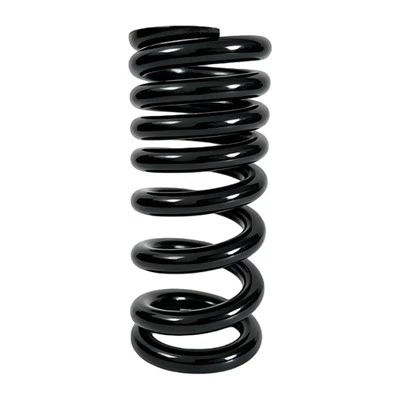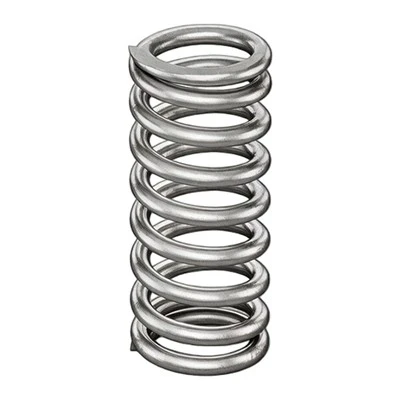
Spring steel wire is a crucial material in various industries, known for its excellent elasticity, strength, and durability. As a leading spring steel wire supplier, we understand the significance of proper storage to maintain the quality and performance of this valuable material. In this blog post, we will explore the best practices for storing spring steel wire to ensure its longevity and reliability.
Understanding Spring Steel Wire
Before delving into storage methods, it's essential to understand the different types of spring steel wire available in the market. Some common types include Spring Tempered Stainless Steel Wire, 316 Stainless Steel Spring Wire, Oil Tempered Spring Steel Wire, High Carbon Spring Steel Wire, and Oil Tempered Spring Wire. Each type has unique properties and applications, which may influence the storage requirements.
Factors Affecting Spring Steel Wire Storage
Several factors can impact the quality of spring steel wire during storage. These include:
- Moisture: Excessive moisture can lead to rust and corrosion, which can weaken the wire and reduce its performance.
- Temperature: Extreme temperatures can cause the wire to expand or contract, leading to stress and potential damage.
- Humidity: High humidity levels can accelerate the corrosion process, especially in the presence of oxygen.
- Contamination: Dust, dirt, and other contaminants can scratch the wire surface, making it more susceptible to corrosion.
- Mechanical Damage: Improper handling or storage can cause the wire to bend, kink, or break, affecting its usability.
Best Practices for Storing Spring Steel Wire
To ensure the quality and longevity of spring steel wire, it is essential to follow these best practices:
1. Choose the Right Storage Environment
- Dry Location: Store the wire in a dry area with low humidity levels. Ideally, the relative humidity should be maintained below 60%.
- Temperature Control: Keep the storage area at a consistent temperature between 10°C and 30°C (50°F and 86°F). Avoid storing the wire in areas prone to extreme temperature fluctuations.
- Ventilation: Ensure proper ventilation to prevent the buildup of moisture and fumes.
- Cleanliness: Keep the storage area clean and free from dust, dirt, and other contaminants.
2. Use Appropriate Packaging
- Original Packaging: If possible, keep the wire in its original packaging to protect it from damage and contamination.
- Sealed Containers: For smaller quantities of wire, store them in sealed plastic bags or containers to prevent moisture and dust from entering.
- Barrier Packaging: Consider using barrier packaging materials, such as moisture-resistant bags or corrosion inhibitors, to provide additional protection.
3. Organize and Label the Storage Area
- Shelving and Racks: Use shelving or racks to store the wire in an organized manner. This will help prevent tangling and damage.
- Labeling: Clearly label each shelf or rack with the type, size, and quantity of wire stored. This will make it easier to locate the wire when needed.
- First-In, First-Out (FIFO): Implement a FIFO system to ensure that the oldest wire is used first. This will help prevent the wire from sitting in storage for too long.
4. Protect the Wire from Mechanical Damage
- Avoid Overloading: Do not stack too many coils or spools of wire on top of each other, as this can cause the wire to bend or break.
- Use Padding: If necessary, use padding or cushioning materials to protect the wire from scratches and dents.
- Handle with Care: When moving or handling the wire, use appropriate equipment, such as forklifts or hoists, to avoid dropping or dragging it.
5. Inspect the Wire Regularly
- Visual Inspection: Conduct regular visual inspections of the wire to check for signs of rust, corrosion, or damage.
- Testing: Periodically test the wire's mechanical properties, such as tensile strength and elasticity, to ensure that it meets the required specifications.
- Record Keeping: Keep a record of all inspections and tests performed on the wire. This will help track its condition over time and identify any potential issues.
Specific Storage Considerations for Different Types of Spring Steel Wire
While the general storage principles apply to all types of spring steel wire, there are some specific considerations for each type:
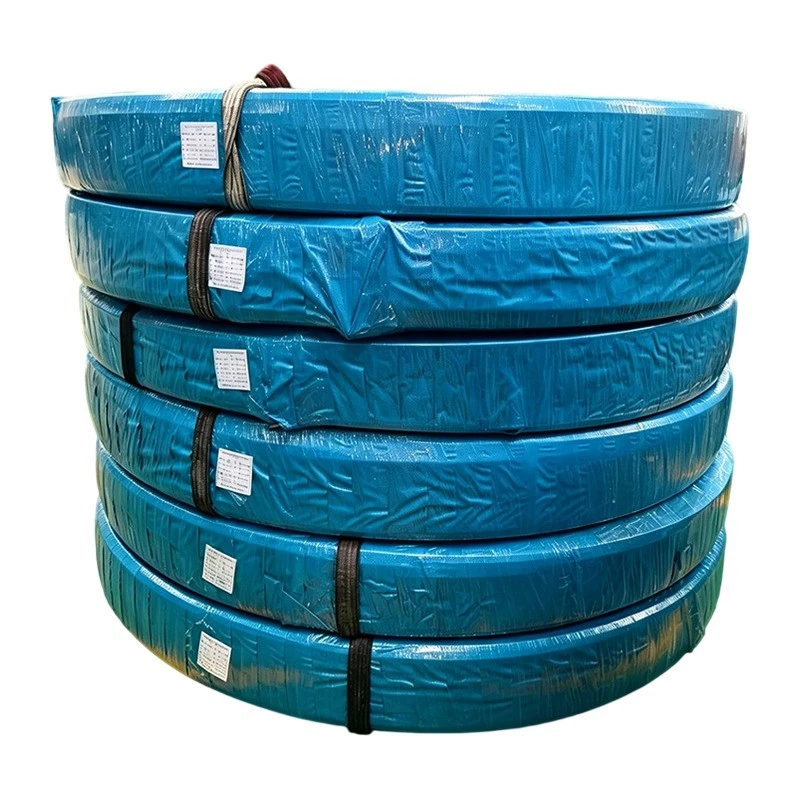

Stainless Steel Spring Wire
- Corrosion Resistance: Stainless steel wire is highly resistant to corrosion, but it can still be affected by certain environments. Store it away from sources of chlorine, sulfur, and other corrosive substances.
- Passivation: If the stainless steel wire has been passivated, it will have a protective oxide layer on its surface. Avoid scratching or damaging this layer during storage.
Oil Tempered Spring Steel Wire
- Oil Coating: Oil tempered spring steel wire is coated with a thin layer of oil to protect it from corrosion. Keep the wire in its original packaging or a sealed container to prevent the oil from drying out.
- Storage Duration: Oil tempered spring steel wire has a limited shelf life. Use it within the recommended time frame to ensure its quality.
High Carbon Spring Steel Wire
- Carbon Content: High carbon spring steel wire has a higher carbon content than other types of wire, which makes it more susceptible to corrosion. Store it in a dry environment and protect it from moisture.
- Heat Treatment: High carbon spring steel wire is typically heat-treated to achieve its desired properties. Avoid exposing it to high temperatures during storage, as this can affect its hardness and strength.
Conclusion
Proper storage of spring steel wire is essential to maintain its quality and performance. By following the best practices outlined in this blog post, you can ensure that your spring steel wire remains in excellent condition and is ready to use when you need it. As a trusted spring steel wire supplier, we are committed to providing our customers with high-quality products and expert advice on storage and handling. If you have any questions or need further information, please feel free to contact us to discuss your procurement needs.
References
- ASTM International. (20XX). Standard Specification for Oil-Tempered Carbon Steel Spring Wire.
- ASME. (20XX). Boiler and Pressure Vessel Code.
- ISO. (20XX). International Standard for Spring Steel Wire.