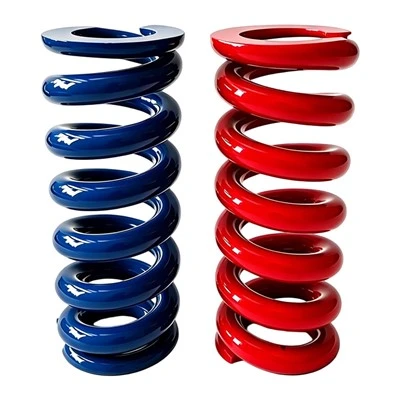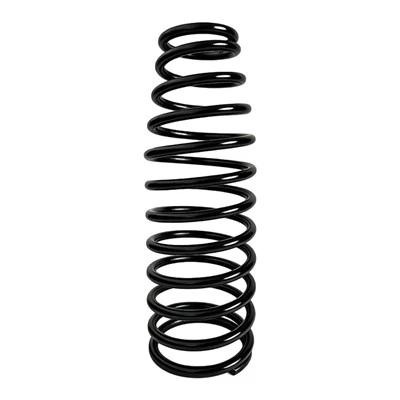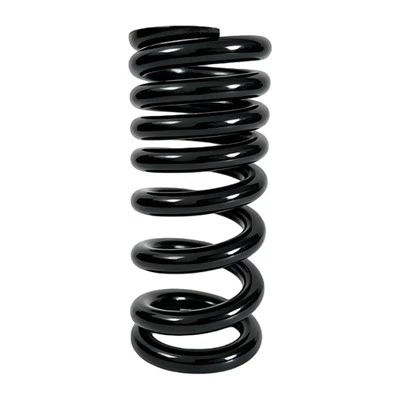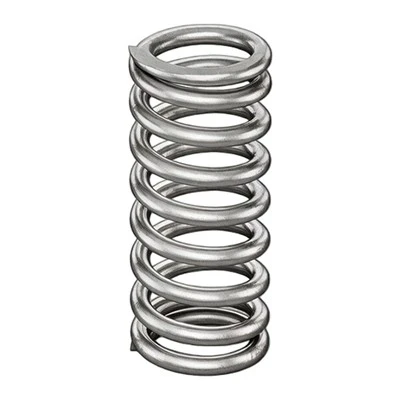
Motorcycle springs play a crucial role in the performance, safety, and comfort of motorcycles. They are used in various parts of the motorcycle, such as the suspension system, valves, and clutches. As a motorcycle springs supplier, understanding the materials used to make these springs is essential. Different materials offer different properties, and choosing the right one can significantly affect the performance of the spring and, ultimately, the motorcycle.
Steel Alloys
One of the most common materials used to make motorcycle springs is steel alloys. Steel is known for its high strength, durability, and ability to withstand heavy loads and repeated stress. There are several types of steel alloys used in spring manufacturing, each with its unique properties.
Chrome - Silicon Steel
Chrome - silicon steel is a popular choice for motorcycle suspension springs. It offers excellent fatigue resistance, which means it can withstand many cycles of compression and expansion without losing its shape or strength. This is crucial for suspension springs, as they are constantly under stress while the motorcycle is in motion. Chrome - silicon steel also has good ductility, allowing the spring to be formed into complex shapes without cracking. The high tensile strength of this alloy enables the spring to support the weight of the motorcycle and its rider while providing a smooth and stable ride.
Chrome - Vanadium Steel
Chrome - vanadium steel is another steel alloy commonly used for motorcycle springs. It has high strength and toughness, making it suitable for applications where the spring needs to endure high - stress conditions. This alloy is often used in valve springs, where it must open and close the engine valves precisely at high speeds. Chrome - vanadium steel can resist wear and deformation, ensuring the proper functioning of the engine's valve train over a long period.
Stainless Steel
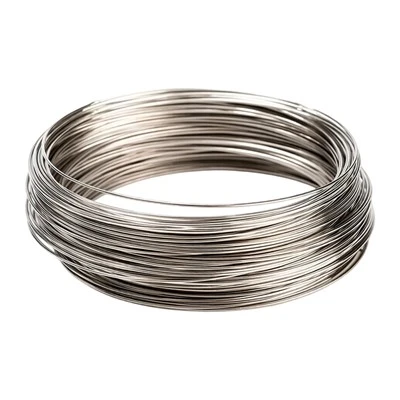
Stainless steel is also used in the production of motorcycle springs, especially in applications where corrosion resistance is a priority. Motorcycles are exposed to various environmental conditions, including rain, humidity, and road salt, which can cause rust and corrosion on regular steel springs.
Austenitic Stainless Steel
Austenitic stainless steel, such as 304 and 316 grades, is commonly used for motorcycle springs. These grades offer excellent corrosion resistance, even in harsh environments. They also have good formability, allowing the springs to be manufactured in different shapes and sizes. Austenitic stainless steel springs are often used in motorcycle components that are exposed to moisture, such as the clutch springs in wet - clutch systems.
Martensitic Stainless Steel
Martensitic stainless steel is known for its high strength and hardness. It can be heat - treated to achieve specific mechanical properties, making it suitable for applications where high strength and corrosion resistance are required. Martensitic stainless steel springs are sometimes used in high - performance motorcycles, where the springs need to withstand extreme forces while remaining resistant to corrosion.
Titanium Alloys
Titanium alloys are becoming increasingly popular in the manufacturing of motorcycle springs, especially in high - end and racing motorcycles. Titanium offers several advantages over steel and stainless steel.
High Strength - to - Weight Ratio
One of the most significant benefits of titanium alloys is their high strength - to - weight ratio. Titanium springs can provide the same level of strength as steel springs while being significantly lighter. This reduction in weight can improve the motorcycle's handling, acceleration, and fuel efficiency. In racing applications, every gram of weight reduction can make a difference in performance.
Corrosion Resistance
Titanium alloys have excellent corrosion resistance, similar to stainless steel. They can withstand exposure to harsh environmental conditions without rusting or corroding. This makes titanium springs ideal for motorcycles that are used in coastal areas or in regions with heavy rainfall.
Carbon Fiber Composites
Although not as common as metal springs, carbon fiber composites are emerging as a potential material for motorcycle springs. Carbon fiber offers some unique properties that make it an attractive option.
High Stiffness
Carbon fiber has a very high stiffness - to - weight ratio. This means that carbon fiber springs can be designed to be very stiff while still being lightweight. In some applications, such as high - performance motorcycle suspension systems, a stiffer spring can provide better handling and control.
Fatigue Resistance
Carbon fiber composites also have good fatigue resistance. They can withstand repeated stress cycles without developing cracks or losing their mechanical properties. However, carbon fiber springs are more expensive to manufacture than metal springs, which has limited their widespread use in the motorcycle industry.
Application - Specific Considerations
The choice of material for motorcycle springs depends on the specific application within the motorcycle. For example:
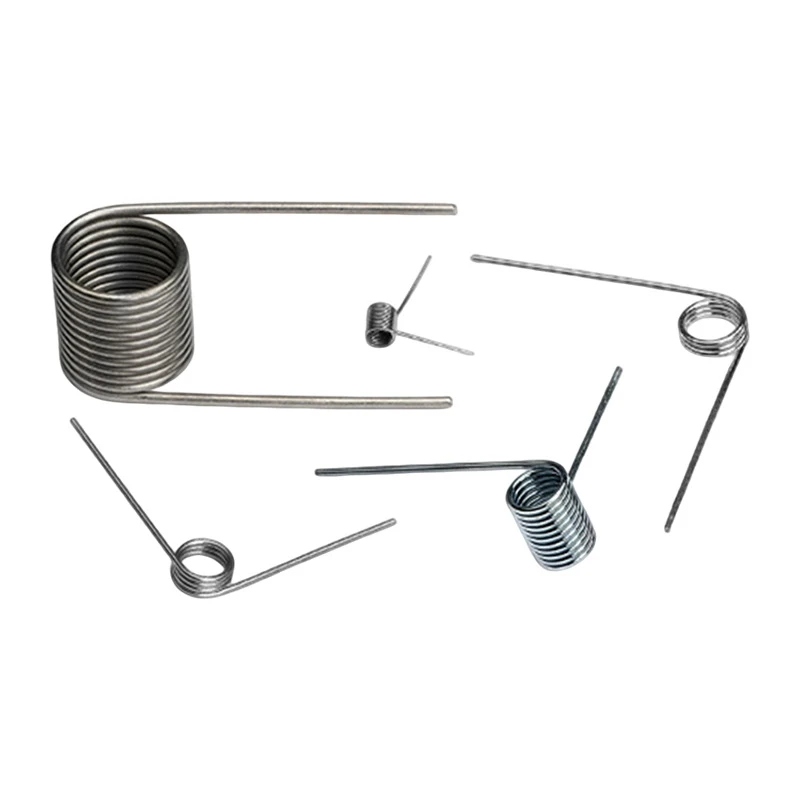
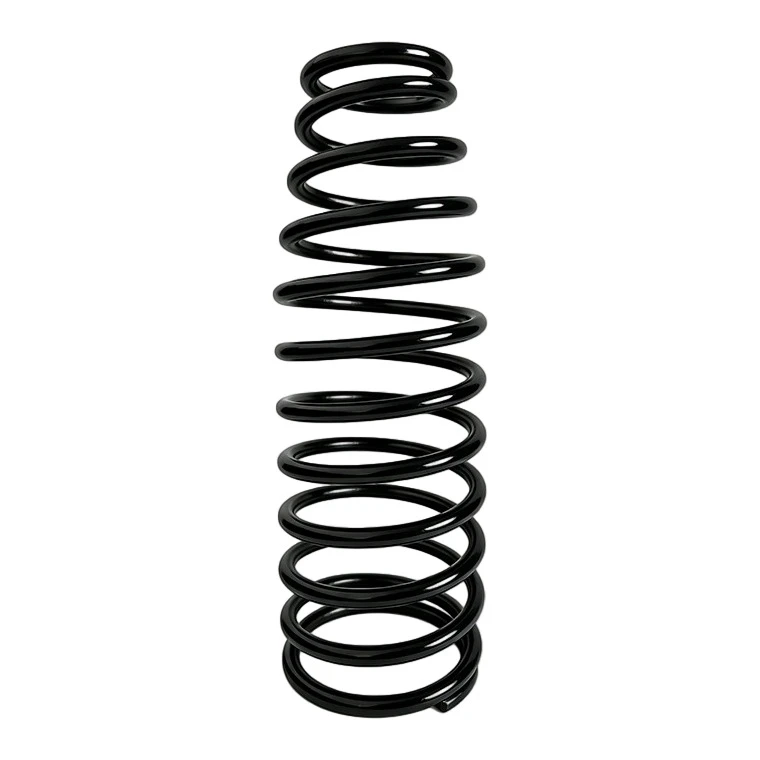
- Suspension Springs: Suspension springs need to provide a balance between ride comfort and handling. As mentioned earlier, chrome - silicon steel is a popular choice due to its fatigue resistance and strength. However, in high - performance motorcycles, titanium alloys or carbon fiber composites may be used to reduce weight and improve performance.
- Valve Springs: Valve springs require high strength and precision. Chrome - vanadium steel is commonly used because of its ability to withstand high - speed valve operation and maintain its shape over time.
- Clutch Springs: Clutch springs need to engage and disengage the clutch smoothly. Stainless steel is often used in clutch springs, especially in wet - clutch systems, to prevent corrosion caused by the clutch fluid.
Related Products and Links
As a motorcycle springs supplier, we also offer a range of related products. If you are interested in other types of springs, you can check out our Car Shock Absorber Spring, Light Duty Compression Springs, Industrial Door Springs, Industrial Torsion Spring, and Industrial Tension Springs.
Conclusion
In conclusion, the materials used to make motorcycle springs vary depending on the specific requirements of the application. Steel alloys, stainless steel, titanium alloys, and carbon fiber composites all offer unique properties that make them suitable for different parts of the motorcycle. As a motorcycle springs supplier, we understand the importance of choosing the right material to ensure the best performance and durability of the springs. Whether you are a motorcycle manufacturer, a mechanic, or an enthusiast, choosing the appropriate spring material is crucial for the optimal functioning of your motorcycle.
If you are in need of high - quality motorcycle springs or have any questions about our products, feel free to contact us for more information. We are more than happy to discuss your specific requirements and help you find the perfect springs for your motorcycle. Our team of experts is always ready to assist you in selecting the right materials and designs to meet your needs.
References
- ASM Handbook Volume 1: Properties and Selection: Irons, Steels, and High - Performance Alloys
- "Spring Design and Applications" by Roy M. Carlson
- "Materials Science and Engineering: An Introduction" by William D. Callister, Jr. and David G. Rethwisch