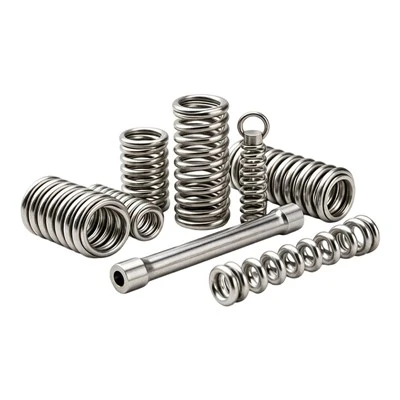
As a supplier of Extension Helical Springs, I often get asked about the certifications that these springs usually require. Certification is a big deal in the spring industry because it tells customers that the springs meet certain standards of quality, safety, and performance.
Let's start by understanding what extension helical springs are. These are springs that resist stretching and are designed to store and release energy when pulled apart. They're used in a wide range of applications, from small household items to large industrial machinery.
ISO 9001 Certification
One of the most common certifications you'll come across is ISO 9001. This is a global standard for quality management systems. When a company has ISO 9001 certification, it means that they have a well - defined quality management system in place. This system covers everything from how they design and develop their products to how they handle customer complaints.
For us as an extension helical spring supplier, ISO 9001 certification is crucial. It shows our clients that we're committed to quality at every step of the production process. We follow strict procedures to ensure that each spring we make meets the required specifications. This includes using high - quality materials, having proper testing methods, and maintaining accurate records.
If you're looking for a reliable supplier of Precision Spring, ISO 9001 certification is a good sign to look for. It gives you the confidence that the springs you're getting are made with high - quality control standards.
ASTM Standards
The American Society for Testing and Materials (ASTM) has a bunch of standards related to springs. For extension helical springs, ASTM A228 is a key standard. This standard covers the requirements for music wire, which is a common material used in making these springs.
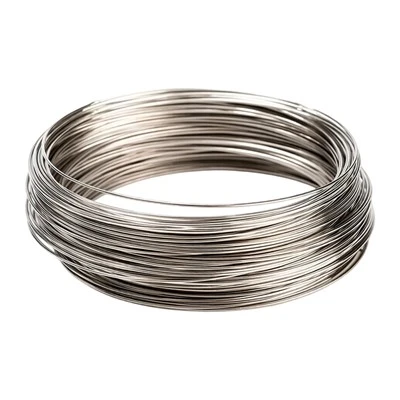
Music wire is known for its high strength and good fatigue resistance. ASTM A228 specifies things like the chemical composition of the wire, its tensile strength, and its diameter tolerance. When a spring is made from wire that meets ASTM A228, you can expect it to have consistent properties and performance.
Another important aspect is ASTM B117, which is related to salt spray testing. This test is used to measure the corrosion resistance of springs. Since extension helical springs can be used in various environments, it's essential that they can withstand corrosion. A spring that passes the ASTM B117 test is more likely to last longer in harsh conditions.
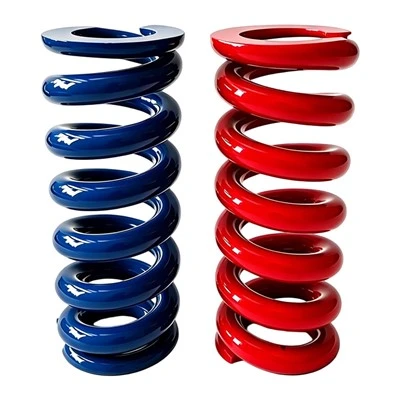
If your application involves Motorcycle Springs or Vehicle Suspension Spring, you'll want to make sure the springs meet relevant ASTM standards. These standards help ensure the safety and reliability of the springs in these critical applications.
RoHS Compliance
The Restriction of Hazardous Substances (RoHS) directive is another important consideration. RoHS restricts the use of certain hazardous substances in electrical and electronic equipment. Although extension helical springs may not seem like typical electrical or electronic components, they can still be used in products that fall under this directive.
RoHS compliance means that the springs contain no more than the allowed limits of substances like lead, mercury, cadmium, and certain brominated flame retardants. This is important for environmental reasons and also for the safety of end - users.
If you're in the market for Automotive Suspension Spring, RoHS compliance is something you might want to check. As the automotive industry becomes more environmentally conscious, using RoHS - compliant components is becoming the norm.
Industry - Specific Certifications
Depending on the application, there may be industry - specific certifications. For example, in the aerospace industry, springs need to meet strict standards. They may require certifications like AS9100, which is an aerospace quality management system standard.
AS9100 goes beyond ISO 9001 and includes additional requirements for safety, security, and risk management. Springs used in aerospace applications need to be extremely reliable, as any failure could have catastrophic consequences.
In the industrial sector, Industrial Tension Springs might need to meet specific standards related to the machinery they're used in. For example, if they're used in heavy - duty manufacturing equipment, they may need to meet certain load - bearing and fatigue - resistance requirements.
Why Certifications Matter to Customers
So, why should you, as a customer, care about these certifications? Well, certifications are like a guarantee. They give you peace of mind that the springs you're buying are of good quality.
When you're using extension helical springs in a product, whether it's a consumer item or a piece of industrial machinery, you want the springs to work properly and last a long time. Certifications help ensure that the springs have been tested and meet certain performance criteria.
For example, if you're a manufacturer of consumer products, using certified springs can help you avoid product recalls and customer complaints. If you're in an industry where safety is a top priority, like automotive or aerospace, certifications are non - negotiable.
How We Ensure Certification Compliance
As a supplier, we take certification compliance very seriously. We have a team that's dedicated to quality control. They make sure that all our production processes are in line with the relevant standards.
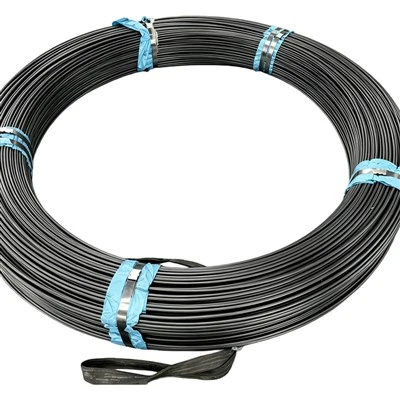
We source our materials from reliable suppliers who can provide documentation showing that the materials meet the required specifications. For example, when we buy music wire for our extension helical springs, we ask for certificates indicating that it meets ASTM A228.
We also have in - house testing facilities where we conduct various tests on the springs. This includes tests for tensile strength, fatigue resistance, and corrosion resistance. If a batch of springs doesn't meet the standards, we don't release them to the market.
Wrapping Up and Invitation
In conclusion, certifications play a vital role in the world of extension helical springs. ISO 9001 ensures overall quality management, ASTM standards guarantee the material and performance properties, RoHS compliance is for environmental and safety reasons, and industry - specific certifications address the unique requirements of different sectors.
If you're in the market for high - quality extension helical springs, and you value the assurance that certifications bring, we'd love to talk to you. We're confident that our springs can meet your needs, whether you're looking for Precision Spring, Motorcycle Springs, Vehicle Suspension Spring, Automotive Suspension Spring, or Industrial Tension Springs. Reach out to us to start a discussion about your specific requirements.
References
- International Organization for Standardization. (n.d.). ISO 9001:2015 Quality management systems — Requirements.
- American Society for Testing and Materials. (n.d.). ASTM A228: Standard Specification for Steel Wire, Music Spring Quality.
- American Society for Testing and Materials. (n.d.). ASTM B117: Standard Practice for Operating Salt Spray (Fog) Apparatus.
- RoHS Directive 2011/65/EU. (European Union).
- International Aerospace Quality Group. (n.d.). AS9100: Quality Management Systems — Requirements for Aviation, Space and Defense Organizations.