What is the fatigue life of carbon steel spring wire?
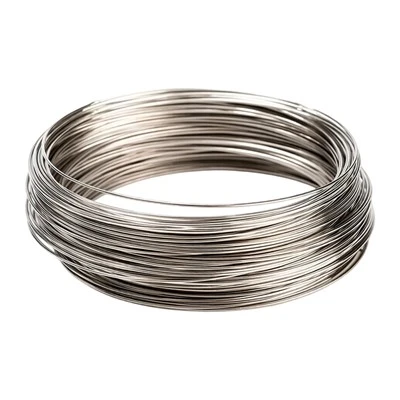
As a supplier of Carbon Steel Spring Wire, I often get asked about the fatigue life of our products. Fatigue life is a critical factor in the performance and durability of springs, and understanding it can help our customers make informed decisions about their applications.
Understanding Fatigue in Springs
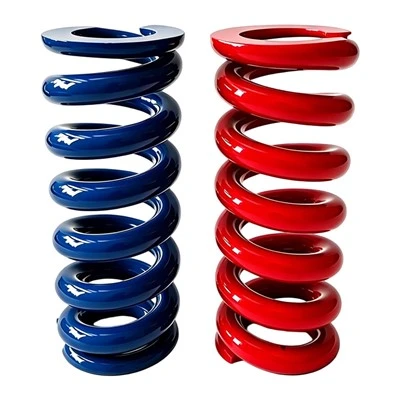
Fatigue in springs occurs when they are subjected to repeated loading and unloading cycles. Over time, these cycles can cause microscopic cracks to form in the spring wire. As the number of cycles increases, these cracks grow larger until the spring eventually fails. This failure can be sudden and catastrophic, leading to equipment downtime and potential safety hazards.
The fatigue life of a spring is defined as the number of stress cycles it can withstand before failure. Several factors influence the fatigue life of carbon steel spring wire, including the material properties of the steel, the stress level applied to the spring, the surface finish of the wire, and the operating environment.
Material Properties of Carbon Steel Spring Wire
Carbon steel is a popular choice for spring applications due to its high strength, good ductility, and relatively low cost. The carbon content in the steel plays a significant role in determining its mechanical properties. Higher carbon content generally results in higher strength but lower ductility, while lower carbon content provides better ductility but lower strength.
For spring applications, medium to high carbon steels are commonly used. These steels can be heat-treated to achieve the desired combination of strength and ductility. Heat treatment processes such as quenching and tempering can significantly improve the fatigue resistance of carbon steel spring wire. During quenching, the steel is rapidly cooled from a high temperature, which results in hardening of the material. Tempering is then carried out to relieve internal stresses and improve the toughness of the hardened steel.
Stress Level and Fatigue Life
The stress level applied to a spring is one of the most important factors affecting its fatigue life. Springs are designed to operate within a certain stress range, known as the allowable stress. When a spring is subjected to a stress level that exceeds this allowable limit, the fatigue life is significantly reduced.
The relationship between stress level and fatigue life can be described by the S - N curve, which plots the stress amplitude (S) against the number of cycles to failure (N). Generally, as the stress amplitude increases, the number of cycles to failure decreases. Therefore, it is crucial to ensure that the spring is properly designed to operate within the appropriate stress range. Our engineering team can assist customers in calculating the stress levels and designing springs with optimal fatigue life based on their specific application requirements.
Surface Finish and Fatigue Resistance
The surface finish of carbon steel spring wire also has a significant impact on its fatigue resistance. Surface defects such as scratches, pits, and inclusions can act as stress concentrators, increasing the likelihood of crack initiation and propagation. Therefore, it is essential to maintain a smooth and defect - free surface on the spring wire.
We use advanced manufacturing processes to ensure high - quality surface finishes on our carbon steel spring wire. After the wire is drawn to the desired diameter, it undergoes a series of surface treatment steps to remove any surface imperfections. These treatments can include pickling, polishing, and coating. Additionally, we perform strict quality control checks to ensure that the surface finish of our wire meets industry standards.
Operating Environment
The operating environment can also affect the fatigue life of carbon steel spring wire. Factors such as temperature, humidity, and the presence of corrosive substances can all have a negative impact on the spring's performance.
High temperatures can reduce the strength and hardness of the carbon steel, leading to a decrease in fatigue life. On the other hand, low temperatures can make the steel more brittle, increasing the risk of sudden failure. Humidity and corrosive substances can cause rust and corrosion on the surface of the spring wire, which can also initiate cracks and reduce the fatigue life.
To mitigate the effects of the operating environment, we offer a range of protective coatings for our carbon steel spring wire. These coatings can provide a barrier against moisture and corrosion, extending the service life of the springs. Some common coatings include zinc plating, chrome plating, and epoxy coatings.
Comparing with Other Spring Wires
While carbon steel spring wire is widely used, there are other types of spring wires available, each with its own advantages and disadvantages. For example, 304 Stainless Steel Spring Wire offers excellent corrosion resistance, making it suitable for applications in harsh environments. 316 Stainless Steel Spring Wire has even better corrosion resistance and is often used in marine and chemical applications.
Hardware Spring Wire is typically used in general - purpose hardware applications, such as door locks and hinges. It is relatively inexpensive and has good mechanical properties. Oil Tempered Spring Steel Wire is heat - treated and has a uniform structure, which results in high strength and good fatigue resistance.
However, carbon steel spring wire remains a popular choice due to its good balance of strength, cost, and performance in a wide range of applications.
How We Ensure High Fatigue Life in Our Products
At our company, we are committed to providing high - quality carbon steel spring wire with long fatigue life. We use only the best raw materials and advanced manufacturing processes to ensure the consistency and reliability of our products.
Our production process starts with careful selection of the carbon steel. We source our steel from reputable suppliers and conduct strict incoming inspection to ensure that it meets our quality standards. The steel is then heated and drawn through a series of dies to reduce its diameter to the desired size. This process not only shapes the wire but also improves its mechanical properties.
After the wire is drawn, it undergoes heat treatment to achieve the optimal combination of strength and ductility. Our heat treatment process is carefully controlled to ensure uniformity and precision. We also perform extensive testing on the heat - treated wire to verify its mechanical properties, including fatigue resistance.
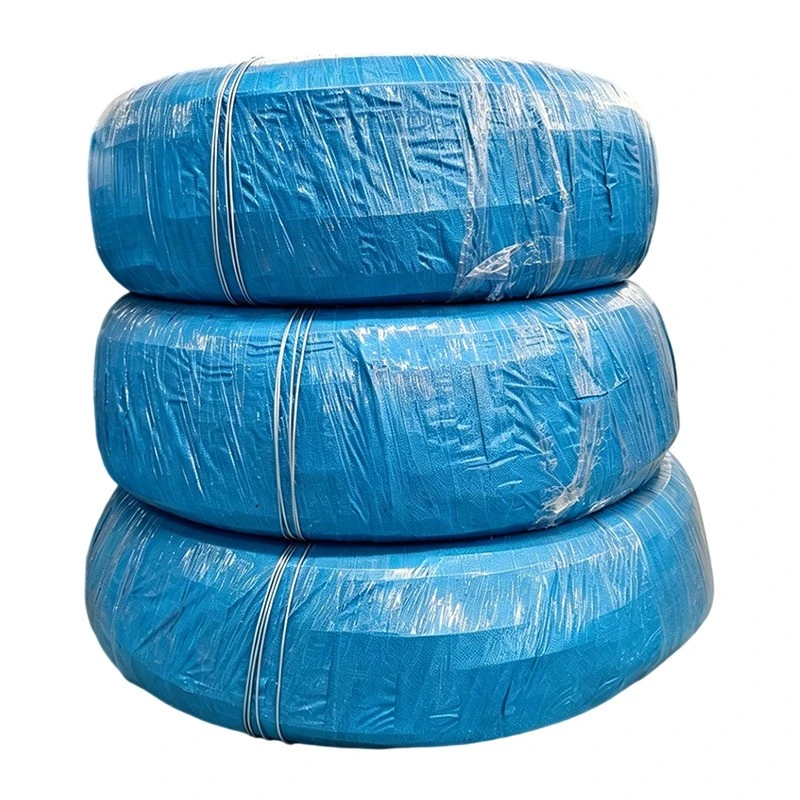

In addition to quality control during production, we also offer technical support to our customers. Our experienced engineers can help customers select the right type of carbon steel spring wire and design springs with optimal fatigue life based on their specific application requirements.
Contact Us for Your Carbon Steel Spring Wire Needs
If you are in the market for high - quality carbon steel spring wire with excellent fatigue life, we are here to help. Whether you need a standard product or a custom - designed solution, we have the expertise and capabilities to meet your needs.
Please visit our website at Carbon Steel Spring Wire to learn more about our products and services. You can also contact our sales team to discuss your specific requirements and get a quote. We look forward to working with you to provide the best possible solutions for your spring applications.
References
- Dieter, G. E. (1988). Mechanical Metallurgy. McGraw - Hill.
- Suresh, S. (1998). Fatigue of Materials. Cambridge University Press.
- ASM Handbook, Volume 19: Fatigue and Fracture. ASM International.