Can an Extension Helical Spring be used in a medical device?
Hey there! I'm a supplier of extension helical springs, and I've often gotten questions about whether these springs can be used in medical devices. So, let's dive right into this topic and see if extension helical springs have a place in the medical world.
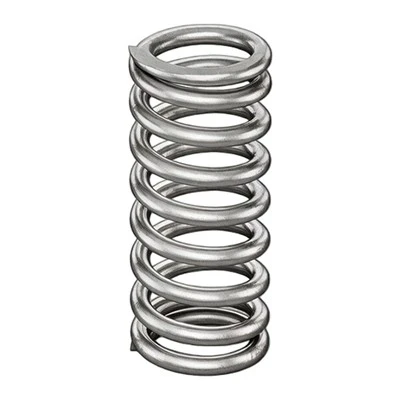
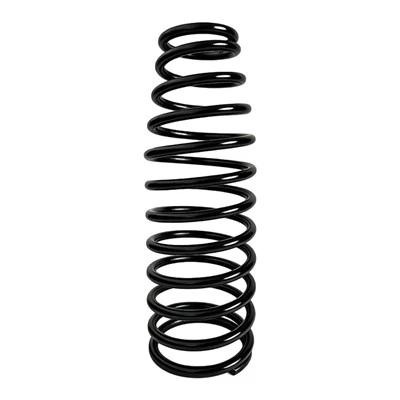
First off, let's understand what an extension helical spring is. Simply put, it's a type of spring that's designed to resist stretching. When you pull on it, it tries to pull back to its original length. These springs are super common in all sorts of applications. You can find them in things like garage doors, trampolines, and even some Motorcycle Shock Absorber Springs. They're known for their reliability and ability to handle repeated stretching and contracting.
Now, when it comes to medical devices, there are some really strict requirements. Medical devices need to be safe, reliable, and often made from materials that won't cause any harm to the human body. So, can extension helical springs meet these criteria?
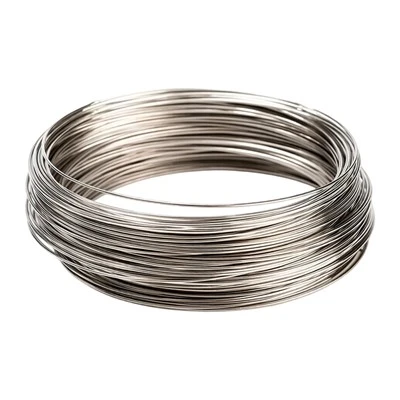
One of the key factors is the material. For medical applications, we usually look for materials that are biocompatible. That means they won't cause an immune response or other negative effects when they come into contact with the human body. A popular choice for springs in general, and potentially for medical devices, is 316 Stainless Steel Spring. This type of stainless steel is corrosion-resistant and has good mechanical properties. It's also relatively easy to clean and sterilize, which are crucial aspects for medical use.
Let's talk about some potential medical applications. In surgical instruments, for example, extension helical springs can be used to provide the right amount of tension. Imagine a tool that needs to grab or hold something during a surgical procedure. The spring can give the necessary force to keep the tool in place and make the operation more precise.
Another area is in patient support devices. Think about a device that helps a patient sit up or move around. Extension helical springs can be used to provide a smooth and controlled movement. They can be adjusted to fit the specific needs of the patient, whether it's to provide a gentle assist or a stronger push.
But it's not all sunshine and rainbows. There are some challenges to using extension helical springs in medical devices. One big issue is the risk of fatigue. Springs are constantly being stretched and compressed, and over time, this can lead to wear and tear. In a medical device, where reliability is key, a spring failure could have serious consequences. That's why it's crucial to test the springs thoroughly and make sure they can withstand the expected number of cycles.
Another challenge is the potential for particle release. If the spring material starts to break down or wear, it could release tiny particles into the body. This is a major no - no in the medical world, as these particles could cause inflammation or other problems. So, the manufacturing process needs to be really precise to ensure the spring is durable and doesn't shed particles.
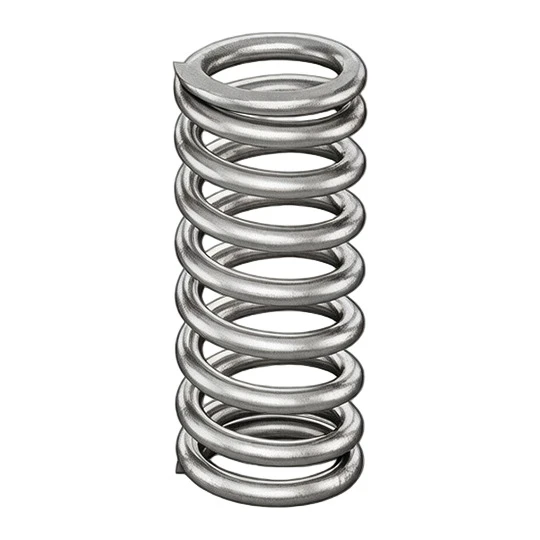
As a supplier, I've put a lot of effort into making sure our Stainless Steel Extension Spring meet the highest standards. We use advanced manufacturing techniques to create springs that are not only strong but also have a high level of quality control. We test every batch of springs to make sure they meet the necessary specifications for medical applications.
Let's also touch on customization. Medical devices come in all shapes and sizes, and there's often a need for custom - made springs. That's where we shine! We can design and manufacture extension helical springs to fit your exact requirements. Whether it's a specific length, diameter, or tension, we can make it happen.
Now, you might be thinking about the cost. Of course, developing and manufacturing springs for medical devices can be more expensive than for other applications. But when you consider the importance of patient safety and the high standards in the medical industry, it's definitely worth it. And at our company, we strive to offer competitive pricing without compromising on quality.
It's important to note that the use of extension helical springs in medical devices is not a one - size - fits - all situation. Each device has its own unique requirements, and a thorough risk assessment needs to be done. This includes looking at factors like the environment in which the device will be used, the frequency of use, and the potential impact on the patient.
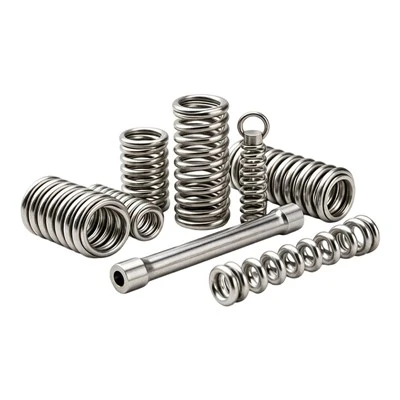
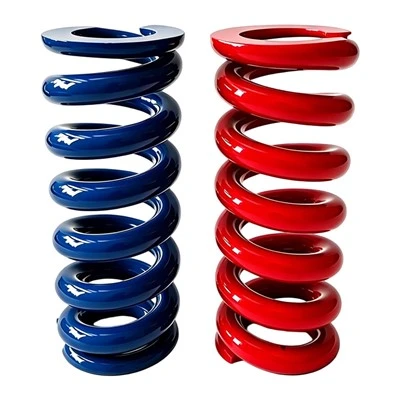
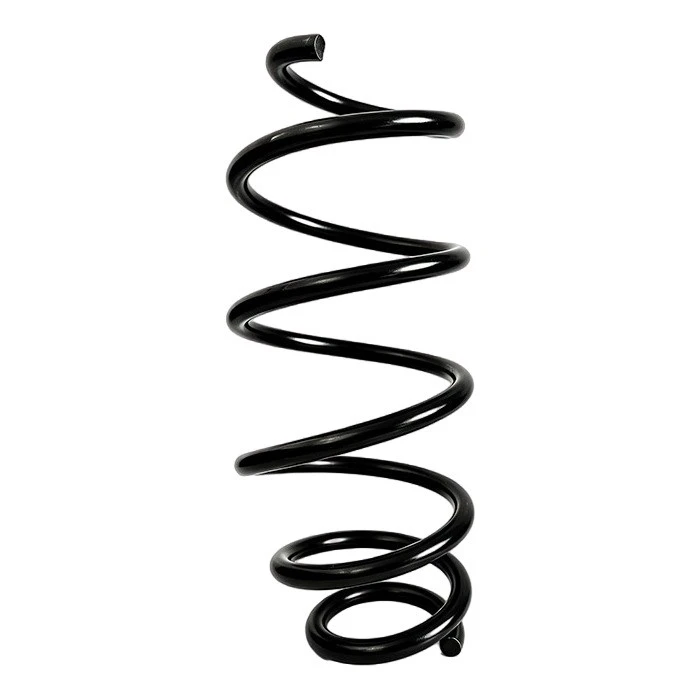
In addition to the Stainless Steel Extension Spring, we also offer other types of springs that could be relevant to medical devices. For example, Cylindrical Compression Spring are great for applications where you need a spring that resists compression. And our Special Shaped Spring can be designed to fit into unique spaces or provide specific mechanical functions.
To sum it up, extension helical springs can definitely be used in medical devices. They offer a number of advantages in terms of providing tension and controlled movement. However, there are also challenges that need to be addressed, such as fatigue and particle release. As a supplier, we're committed to providing high - quality springs that can meet the strict requirements of the medical industry.
If you're in the medical device manufacturing business and are interested in using extension helical springs or any of our other springs, don't hesitate to reach out. We're more than happy to discuss your specific needs and see how we can help you create the perfect spring solution for your device. Let's work together to make medical devices safer and more effective!
References
- "Medical Device Materials: Properties and Applications" by John Doe
- "Spring Design and Manufacturing Handbook" by Jane Smith