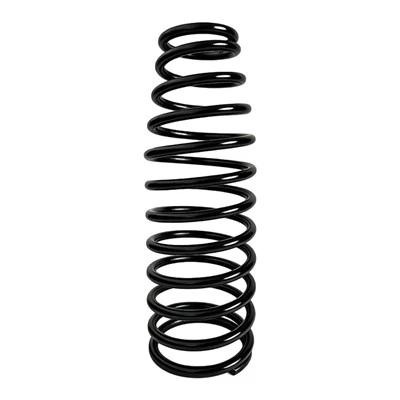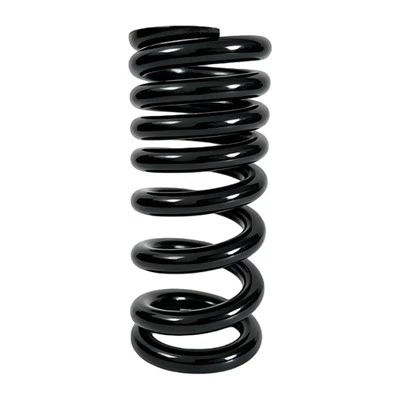
Hey there! I'm a supplier of Hardware Spring Wire, and today I wanna chat about how the quality of this wire can seriously impact a product's lifespan.
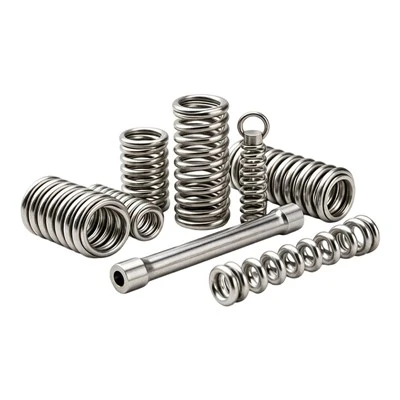
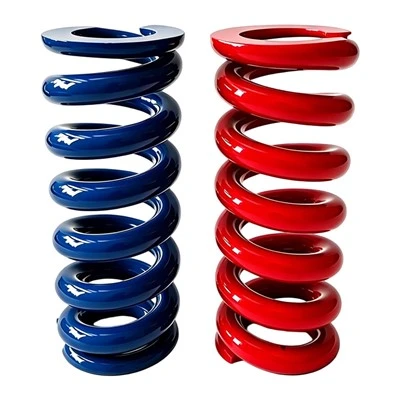
First off, let's understand what Hardware Spring Wire is. It's a type of wire that's used to make all sorts of springs, from the tiny ones in your watch to the big ones in car suspensions. The quality of this wire is super important because it directly affects how well the spring works and how long it lasts.
One of the key factors in the quality of Hardware Spring Wire is its material. There are different types of materials used, like stainless steel, carbon steel, and alloy steel. Each material has its own properties that can influence the lifespan of the spring.
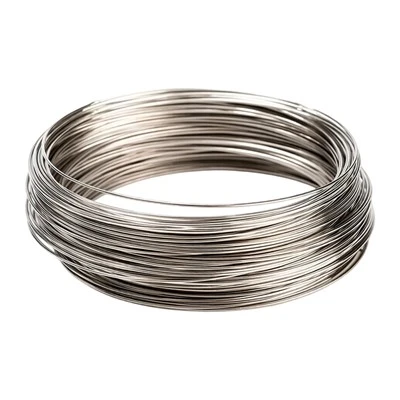
Let's start with stainless steel. We offer Spring Tempered Stainless Steel Wire, which is known for its corrosion resistance. This is a huge plus if the spring is going to be used in an environment where it might be exposed to moisture or chemicals. For example, if you're making springs for outdoor equipment, like garden tools or patio furniture, stainless steel wire is a great choice. It won't rust easily, so the springs will last longer.
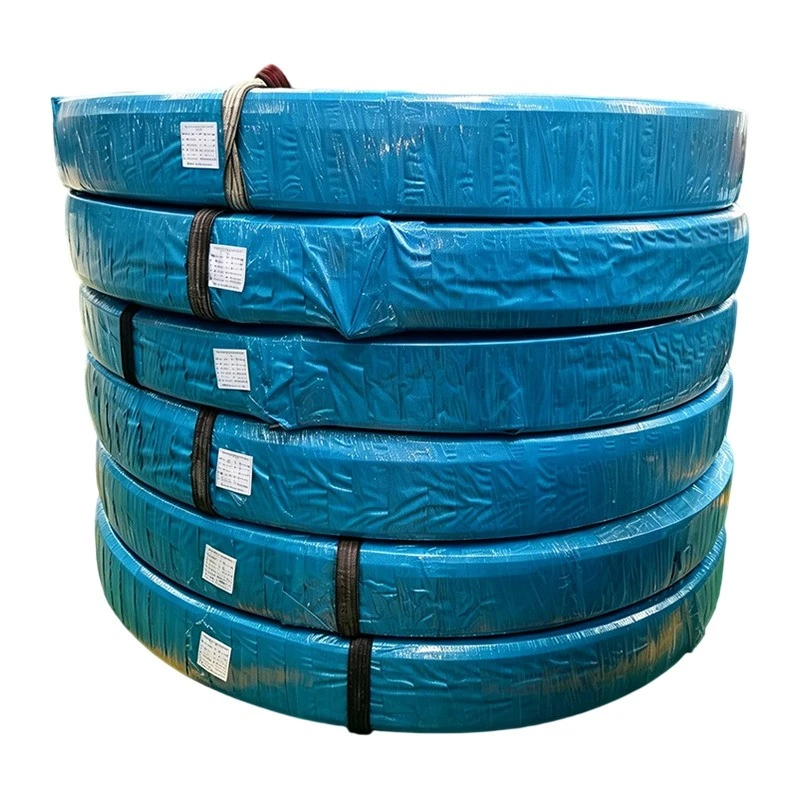
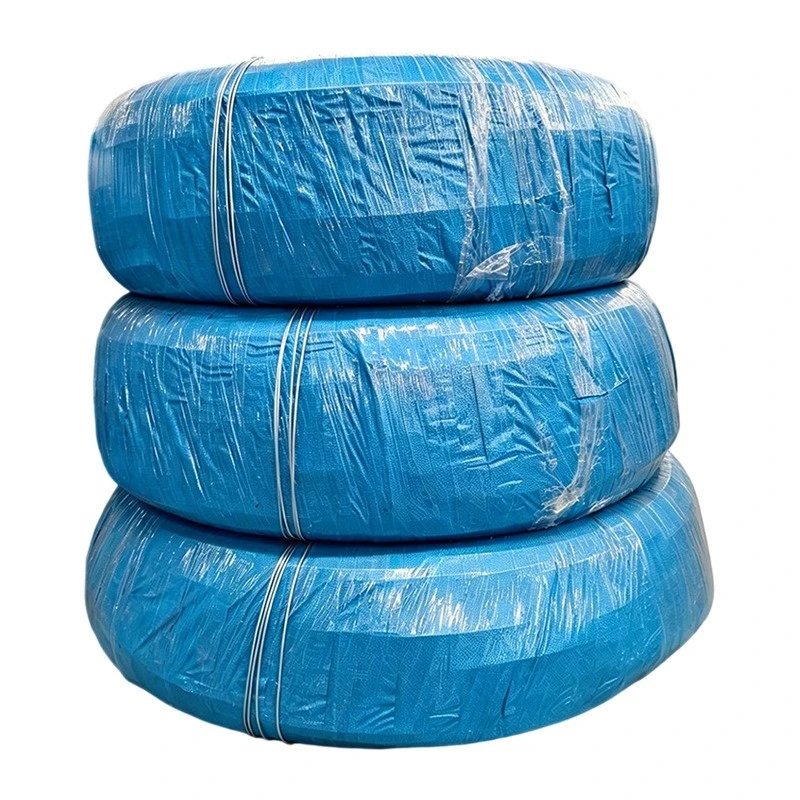
There are also specific types of stainless steel wire, like 316 Stainless Steel Spring Wire and 304 Stainless Steel Spring Wire. 316 stainless steel has a higher level of molybdenum, which gives it even better corrosion resistance than 304. So, if you need a spring that can withstand really harsh conditions, 316 might be the way to go.
Carbon steel is another common material for Hardware Spring Wire. It's strong and can handle a lot of stress. But it's not as corrosion-resistant as stainless steel. That means if the spring is going to be in a wet or corrosive environment, it might not last as long. However, for applications where corrosion isn't a big concern, like in some industrial machinery, carbon steel can be a cost - effective option.
Alloy steel is a combination of different metals, which gives it unique properties. It can be made to have high strength, good ductility, and even better corrosion resistance depending on the alloying elements. Spring Temper Wire is often made from alloy steel. This type of wire is heat - treated to give it the right balance of strength and flexibility. When you use high - quality alloy steel spring wire, the springs can handle repeated stress and deformation without breaking or losing their shape, which greatly extends the product's lifespan.
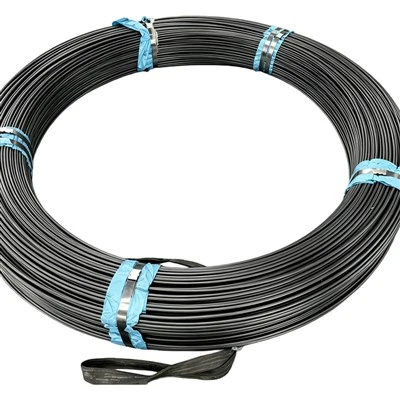
Another aspect of quality is the manufacturing process. The way the wire is drawn, heat - treated, and finished can have a big impact on its performance. For example, Oil Tempered Spring Steel Wire goes through an oil - quenching process during heat treatment. This process helps to improve the wire's strength and toughness. If the manufacturing process isn't done right, the wire might have internal stresses or other defects that can cause the spring to fail prematurely.
The diameter of the wire also matters. A thicker wire can generally handle more stress than a thinner one. But you can't just go for the thickest wire possible. You need to choose the right diameter based on the application. If the wire is too thick for the spring's design, it might not be able to flex properly, and if it's too thin, it might break under the load.
Surface finish is yet another factor. A smooth surface finish on the wire can reduce friction and wear. When a spring is in use, the wire rubs against other parts, and a rough surface can cause more wear and tear. This can lead to the spring losing its elasticity and eventually failing. So, a high - quality wire with a good surface finish can help the spring last longer.
Now, let's talk about how these quality factors translate into the product's lifespan. When you use high - quality Hardware Spring Wire, the springs can maintain their shape and elasticity for a longer time. They can handle more cycles of compression and extension without losing their performance. For example, in a garage door spring, a high - quality wire will ensure that the spring can open and close the door thousands of times without breaking.
On the other hand, if you use low - quality wire, the spring might start to lose its shape after just a few cycles. It could break prematurely, which means you'll have to replace the product much sooner. This not only costs more in terms of replacement parts but also in terms of downtime if the product is part of a larger system.
In the automotive industry, springs made from high - quality Hardware Spring Wire are crucial. Suspension springs need to be able to handle the constant stress of driving on different road surfaces. If the wire quality is poor, the springs might sag or break, which can affect the vehicle's handling and safety.
In the electronics industry, tiny springs made from high - quality wire are used in switches and connectors. These springs need to make reliable electrical connections over a long period. A low - quality wire could lead to poor contact and electrical failures.
So, as you can see, the quality of Hardware Spring Wire is a game - changer when it comes to the product's lifespan. If you're in the market for high - quality Hardware Spring Wire, I'd love to have a chat with you. Whether you need Spring Tempered Stainless Steel Wire, 316 Stainless Steel Spring Wire, or any other type of wire, we've got you covered. Reach out to us, and let's discuss your specific needs. We can help you choose the right wire for your application and ensure that your products have a long and reliable lifespan.
References:
- Textbooks on materials science and engineering
- Industry reports on spring manufacturing and applications