Hey there! If you're dealing with a broken metal spring, don't worry, I've got your back. I'm a supplier of all kinds of metal springs, and I'm here to walk you through the process of replacing a broken one.
Step 1: Identify the Spring
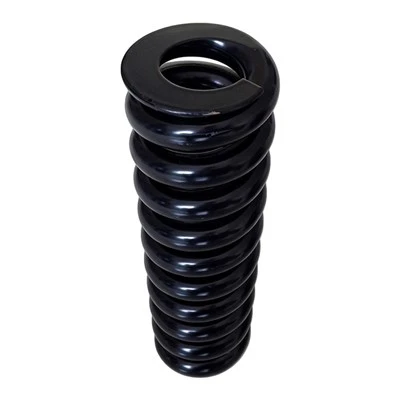
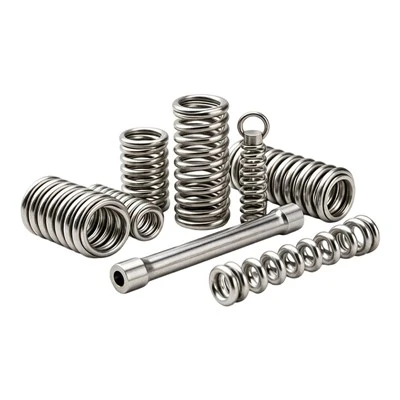
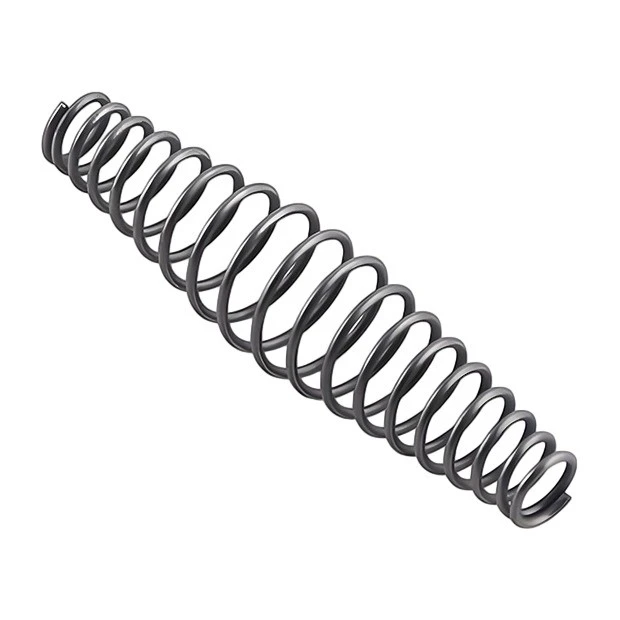
Before you do anything else, you need to figure out what kind of spring you're dealing with. Is it a Cylindrical Compression Spring? These are the most common type and are used in a wide range of applications, from automotive parts to industrial machinery. They compress when a force is applied and return to their original shape when the force is removed.
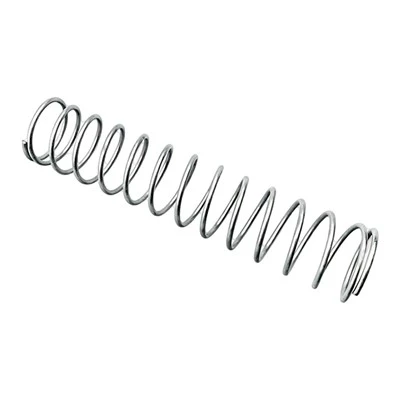
Or maybe it's a Small Strong Springs. These are often used in small devices like watches, electronics, and toys. Despite their size, they can pack a punch and are designed to withstand a lot of stress.
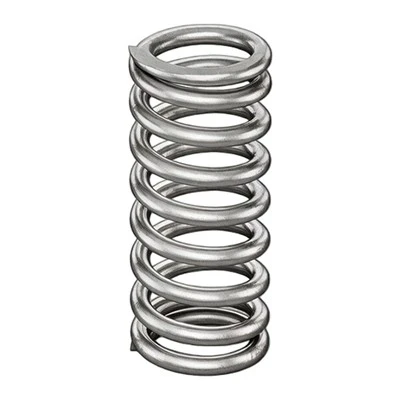
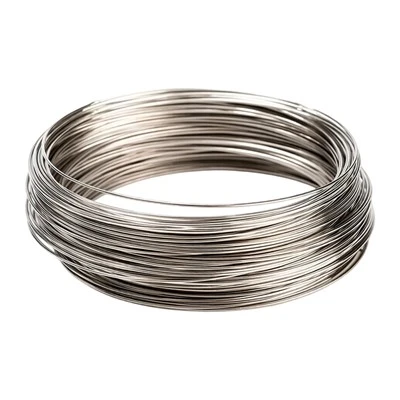
There are also 316 Stainless Steel Spring. These are great for applications where corrosion resistance is important, like in marine environments or food processing equipment. They're made from a high-quality stainless steel alloy that can stand up to harsh conditions.
If you're in the agricultural industry, you might have a Agricultural Spring that needs replacing. These springs are used in all sorts of farm equipment, from tractors to harvesters. They're built to be tough and durable to handle the rigors of farm work.
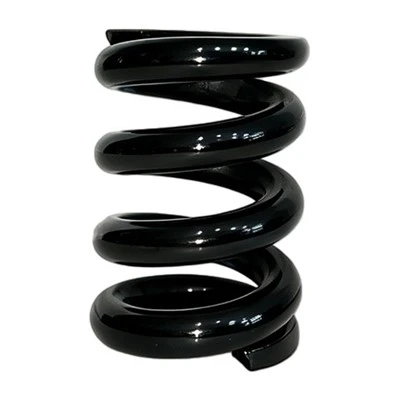
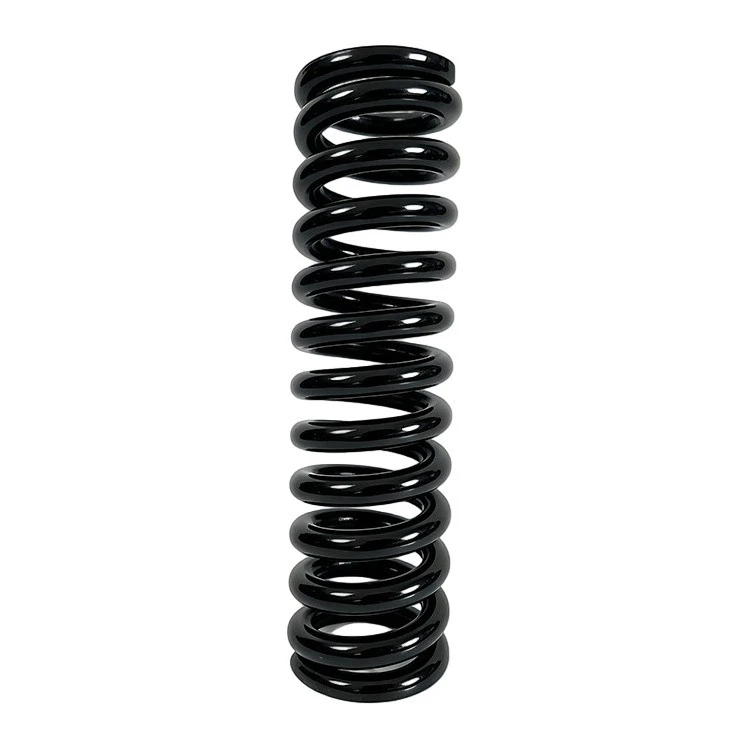
And for motorcycle enthusiasts, Motorcycle Shock Absorber Springs are crucial for a smooth ride. If your shock absorber spring is broken, it can affect the handling and safety of your bike.
Take a good look at the broken spring and note down its dimensions, such as the diameter, length, and number of coils. You'll also want to check the material it's made of and its spring rate (how much force it takes to compress the spring). This information will be essential when you're looking for a replacement.
Step 2: Gather Your Tools
Once you've identified the spring, it's time to gather the tools you'll need for the replacement. Here's a basic list:
- Screwdrivers: You'll probably need both flathead and Phillips head screwdrivers to remove any screws holding the spring in place.
- Pliers: These are handy for gripping and manipulating the spring and other small parts.
- Wrenches: Depending on the application, you might need a set of wrenches to loosen and tighten nuts and bolts.
- Safety glasses: It's always a good idea to protect your eyes when working with springs, as they can sometimes pop out unexpectedly.
Make sure you have all the tools you need before you start the replacement process. It's frustrating to get halfway through and realize you're missing something.
Step 3: Remove the Broken Spring
Now it's time to remove the broken spring. This step can vary depending on where the spring is located and how it's attached. Here are some general tips:
- First, make sure the equipment or device is turned off and unplugged if it's electrical. This will prevent any accidental injuries or damage.
- Carefully remove any covers, panels, or guards that are blocking access to the spring. Use your screwdrivers or wrenches to loosen and remove the fasteners.
- Once you have access to the spring, look for how it's attached. It might be held in place by clips, hooks, or screws. Use your pliers or screwdrivers to release the spring from its attachments.
- Be careful when removing the spring, as it might be under tension. If it is, use your pliers to slowly release the tension before completely removing the spring. This will prevent it from flying out and causing injury.
Step 4: Find a Replacement Spring
Now that you have the broken spring out, it's time to find a replacement. As a metal spring supplier, I can tell you that there are a few things to keep in mind when choosing a replacement spring.
- First, make sure the replacement spring has the same dimensions as the broken one. This includes the diameter, length, and number of coils. If the dimensions are off, the spring might not fit properly or work as intended.
- Second, consider the material of the spring. Different materials have different properties, such as strength, corrosion resistance, and flexibility. Make sure the material of the replacement spring is suitable for your application.
- Finally, check the spring rate. The spring rate determines how much force is required to compress the spring. You want to choose a replacement spring with the same or similar spring rate as the broken one to ensure proper functionality.
If you're having trouble finding the right replacement spring, don't hesitate to reach out to me. I can help you find the perfect spring for your needs.
Step 5: Install the New Spring
Once you have the replacement spring, it's time to install it. This is basically the reverse of the removal process.
- Start by carefully positioning the new spring in the same location as the broken one. Make sure it's aligned properly and seated securely.
- If the spring is held in place by clips, hooks, or screws, use your pliers or screwdrivers to attach it. Make sure the attachments are tight to prevent the spring from coming loose.
- If the spring is under tension, use your pliers to apply the necessary tension before fully attaching it. This will ensure that the spring functions correctly.
- Once the spring is installed, double-check all the attachments and make sure everything is secure. Then, replace any covers, panels, or guards that you removed earlier.
Step 6: Test the Spring
After installing the new spring, it's important to test it to make sure it's working properly. Turn on the equipment or device and do a quick test run. Observe how the spring behaves and make sure it's performing as expected.
- If you notice any issues, such as the spring not compressing or extending correctly, or if there's excessive noise or vibration, stop the equipment immediately and check the installation. Make sure the spring is installed correctly and that there are no other problems.
Time to Get in Touch
Replacing a broken metal spring doesn't have to be a daunting task. By following these steps and working carefully, you can get the job done right. And if you need a high-quality replacement spring, I'm your go-to supplier. We offer a wide range of metal springs, including Cylindrical Compression Spring, Small Strong Springs, 316 Stainless Steel Spring, Agricultural Spring, and Motorcycle Shock Absorber Springs.
If you're interested in purchasing our metal springs or have any questions about the replacement process, feel free to reach out. We're here to help you find the best solution for your needs.
References
- Spring Manufacturing Handbook
- Machinery's Handbook
- Automotive Repair Manuals (for motorcycle and automotive springs)
- Agricultural Equipment Manuals (for agricultural springs)