Hey there! As a supplier of industrial tension springs, I know how crucial it is to ensure the quality of these springs. Industrial tension springs are used in a wide range of applications, from automotive to aerospace, and their performance can significantly impact the overall functionality of the equipment they're part of. In this blog, I'll share some effective ways to test the quality of industrial tension springs.
1. Visual Inspection
The first step in testing industrial tension springs is a simple visual inspection. This might sound basic, but it can reveal a lot about the spring's quality. Look for any obvious signs of damage, such as cracks, breaks, or corrosion. Cracks can weaken the spring and lead to premature failure, while corrosion can eat away at the material over time.
Also, check the overall shape of the spring. It should be uniform, with evenly spaced coils. Any irregularities in the coil spacing or shape could indicate a manufacturing defect. For example, if the coils are too close together in some areas, it might affect the spring's tension and performance.
2. Measuring Dimensions
Accurate dimensions are key to the proper functioning of industrial tension springs. You'll need to measure the outer diameter, inner diameter, wire diameter, and free length of the spring. You can use a caliper for these measurements. Make sure your measurements are as precise as possible, as even a small deviation can have a big impact on the spring's performance.
Compare the measured dimensions with the specifications provided by the manufacturer. If the dimensions are off, it could mean the spring won't fit properly in the application or won't provide the expected tension. For instance, if the outer diameter is larger than specified, the spring might not fit into the designated housing.
3. Testing Tension
One of the most important aspects of an industrial tension spring is its tension. To test the tension, you can use a spring testing machine. This machine applies a force to the spring and measures the amount of deflection. The relationship between the force and the deflection is described by Hooke's Law, which states that the force applied to a spring is directly proportional to the displacement of the spring from its equilibrium position.
You'll want to test the spring at different levels of deflection to ensure it behaves as expected. The tension should increase linearly with the deflection within the spring's elastic limit. If the tension doesn't increase as it should, or if the spring doesn't return to its original shape after the force is removed, it could be a sign of a problem.
4. Fatigue Testing
Industrial tension springs often have to withstand repeated cycles of loading and unloading. Fatigue testing is used to simulate these real - world conditions and determine how long the spring will last under such stress.
To perform a fatigue test, you can use a fatigue testing machine. This machine applies a cyclic load to the spring for a specified number of cycles. During the test, you'll monitor the spring for any signs of failure, such as cracks or breaks.
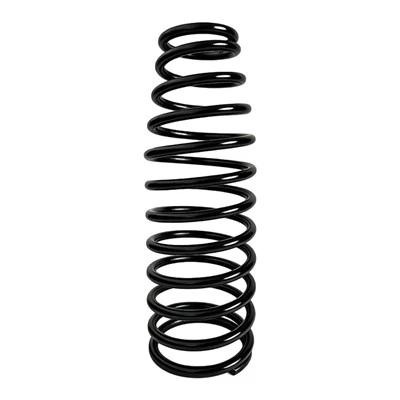
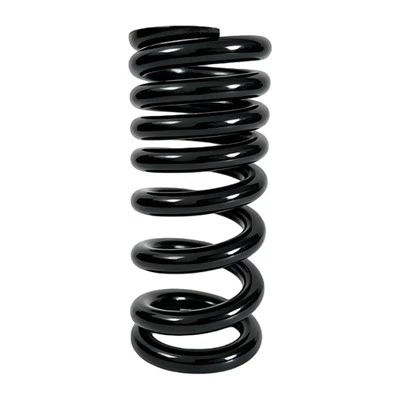
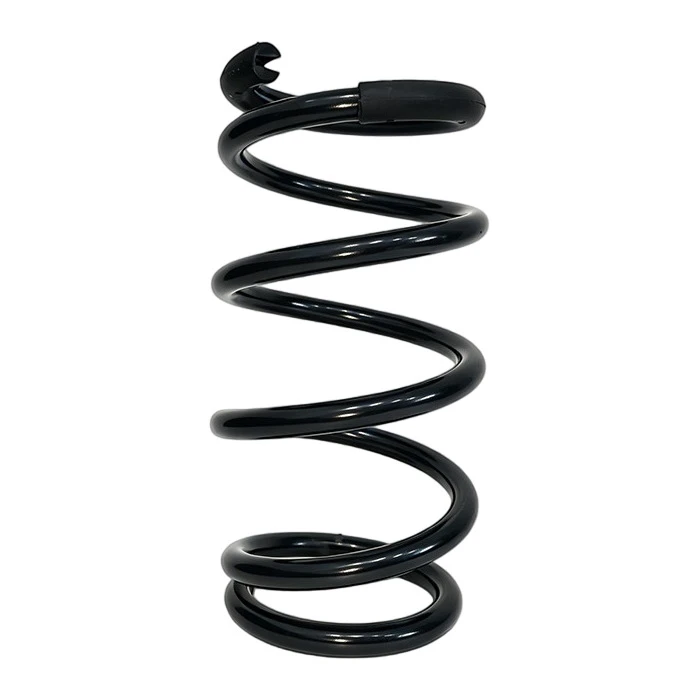
The number of cycles required for a fatigue test depends on the application. For example, springs used in high - stress applications like Vehicle Suspension Spring may need to be tested for a large number of cycles to ensure they can handle the constant stress.
5. Material Analysis
The quality of the material used in the spring is also crucial. You can perform a material analysis to determine the composition of the spring material. This can be done using techniques like spectroscopy or chemical analysis.
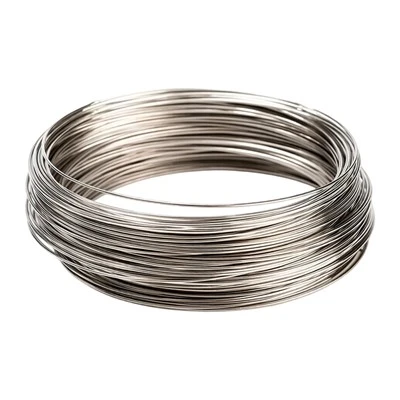
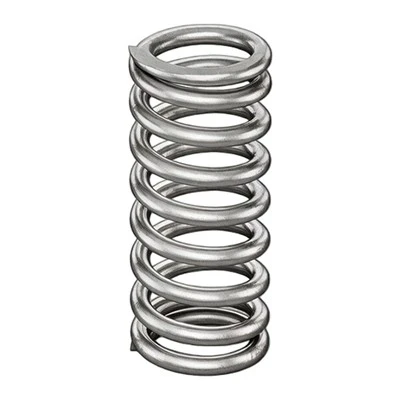
The material should meet the required standards for the application. For example, if the spring is used in a corrosive environment, it might need to be made of a corrosion - resistant material like 316 Stainless Steel Spring.
6. Surface Finish Inspection
The surface finish of the spring can affect its performance and durability. A smooth surface finish can reduce friction and wear, while a rough surface can lead to premature failure.
You can use a surface roughness tester to measure the surface finish of the spring. The surface should be free of any burrs, scratches, or other defects. A good surface finish can also improve the spring's resistance to corrosion.
7. Load - Deflection Curve Analysis
Plotting a load - deflection curve can provide valuable information about the spring's performance. By measuring the force applied to the spring and the corresponding deflection at different points, you can create a curve that shows how the spring behaves under load.
The load - deflection curve should be linear within the spring's elastic limit. Any deviations from the linear curve could indicate a problem with the spring, such as a non - uniform coil pitch or a material defect.
8. Comparing with Standards
Finally, it's important to compare the test results with industry standards and specifications. There are various standards for industrial tension springs, such as ASTM standards. These standards define the requirements for things like dimensions, tension, and fatigue life.
If your spring meets or exceeds these standards, it's a good indication of its quality. However, if it falls short, you'll need to take steps to improve the manufacturing process or select a different material.
Why Choose Our Industrial Tension Springs?
At our company, we take quality seriously. We use state - of - the - art manufacturing processes and high - quality materials to ensure our industrial tension springs meet the highest standards. We perform all the tests I've mentioned above on every spring we produce to guarantee its quality.
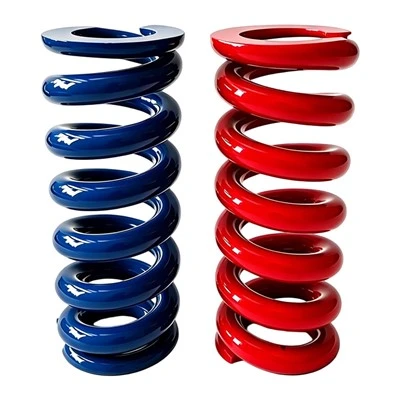
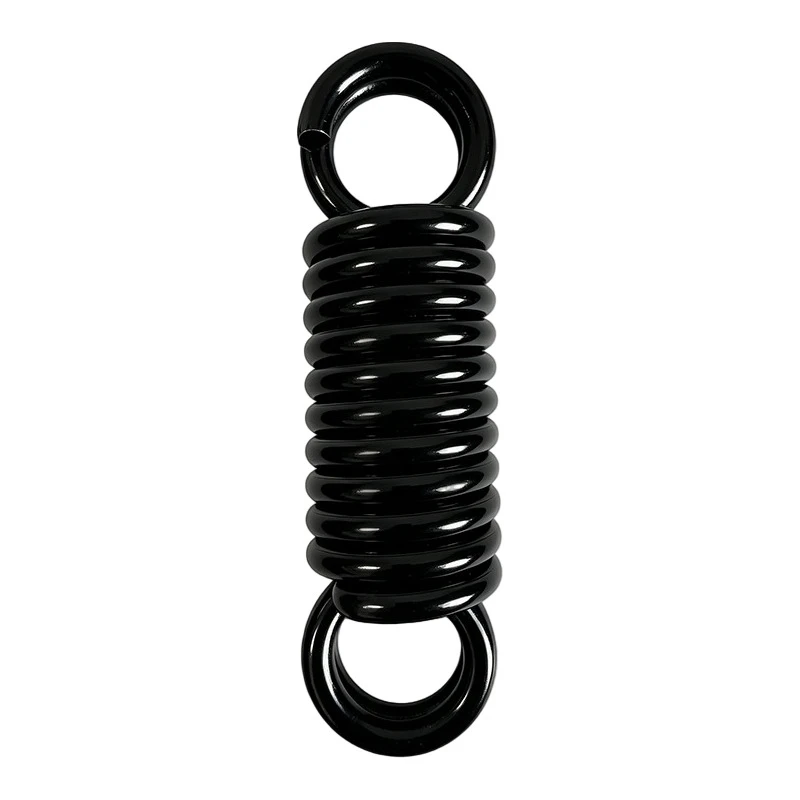
Whether you need High Tension Springs, Small Compression Coil Springs, or Light Duty Compression Springs, we've got you covered. Our springs are designed to provide reliable performance in a wide range of applications.
If you're in the market for industrial tension springs, we'd love to talk to you. Contact us to discuss your requirements and get a quote. We're confident that our springs will meet your needs and exceed your expectations.
References
- ASTM International. (Year). Standards for industrial springs.
- Machinery's Handbook. (Year). Chapter on spring design and testing.