Are high tension springs affected by temperature changes? This is a question that often comes up in various industries where high tension springs are widely used. As a high tension springs supplier, I have witnessed firsthand the impact of temperature on these crucial components. In this blog, we will explore the relationship between high tension springs and temperature changes, delving into the scientific principles and practical implications.
Understanding High Tension Springs
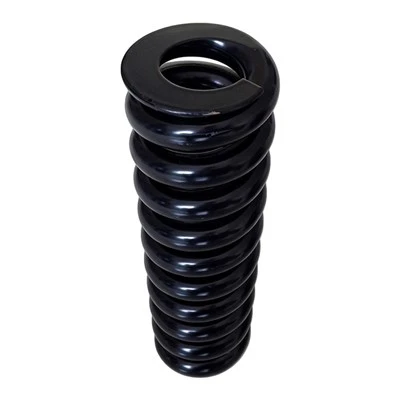
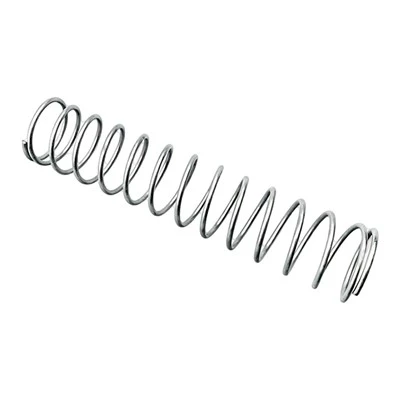
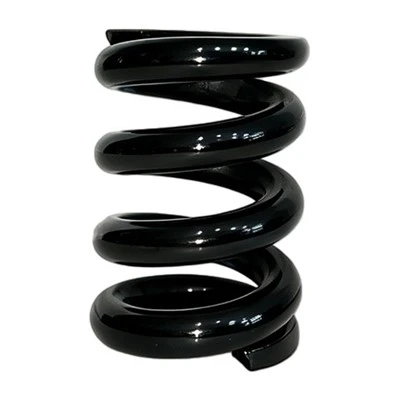
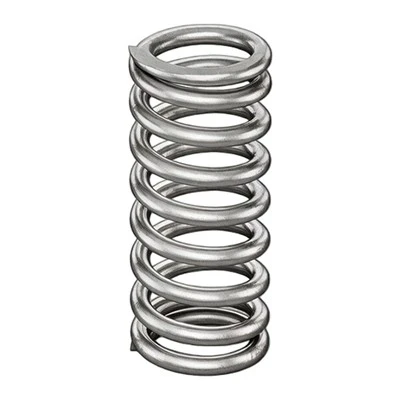
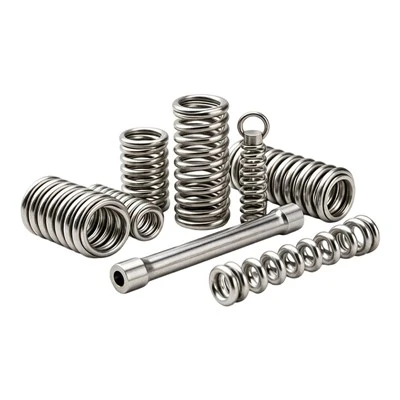
High tension springs are designed to store and release energy when subjected to a load. They are commonly used in a wide range of applications, including automotive, aerospace, industrial machinery, and consumer products. These springs are characterized by their ability to withstand high levels of stress and provide a reliable source of tension.
The performance of high tension springs is determined by several factors, including the material properties, design, and manufacturing process. The material used in the spring plays a crucial role in its performance, as different materials have different mechanical properties and temperature sensitivities. For example, steel is a commonly used material for high tension springs due to its high strength and durability. However, steel is also sensitive to temperature changes, which can affect its mechanical properties.
The Impact of Temperature on High Tension Springs
Temperature changes can have a significant impact on the performance of high tension springs. When a spring is exposed to high temperatures, its material properties can change, leading to a decrease in its strength and stiffness. This can result in a loss of tension and a reduction in the spring's ability to store and release energy.
One of the main factors that affect the performance of high tension springs at high temperatures is thermal expansion. As the temperature of a spring increases, its material expands, causing the spring to elongate. This can lead to a decrease in the spring's tension and a change in its shape. In extreme cases, the spring may become permanently deformed, rendering it useless.

Another factor that can affect the performance of high tension springs at high temperatures is creep. Creep is the gradual deformation of a material under a constant load over time. When a spring is exposed to high temperatures, the material can experience creep, causing it to gradually lose its tension and shape. This can lead to a decrease in the spring's performance and a reduction in its lifespan.
On the other hand, low temperatures can also have an impact on the performance of high tension springs. When a spring is exposed to low temperatures, its material becomes more brittle, making it more susceptible to cracking and failure. This can result in a loss of tension and a reduction in the spring's ability to store and release energy.
Mitigating the Impact of Temperature on High Tension Springs
To mitigate the impact of temperature on high tension springs, several strategies can be employed. One of the most effective strategies is to select the appropriate material for the spring. Different materials have different temperature sensitivities, so it is important to choose a material that is suitable for the specific application and operating conditions.
For example, if the spring is going to be used in a high-temperature environment, a material with high heat resistance, such as stainless steel or titanium, may be a better choice. These materials have a higher melting point and are less likely to experience thermal expansion and creep at high temperatures.
Another strategy is to design the spring to withstand temperature changes. This can involve using a larger wire diameter, increasing the number of coils, or using a more complex spring design. These design modifications can help to increase the spring's strength and stiffness, making it more resistant to temperature-induced deformation.
In addition, proper installation and maintenance of the spring can also help to mitigate the impact of temperature changes. This can involve ensuring that the spring is installed correctly and that it is properly lubricated to reduce friction and wear. Regular inspection and maintenance of the spring can also help to identify any potential issues before they become serious problems.
Practical Applications of High Tension Springs in Temperature-Sensitive Environments
High tension springs are used in a wide range of applications where temperature changes can have a significant impact on their performance. Some of the most common applications include:
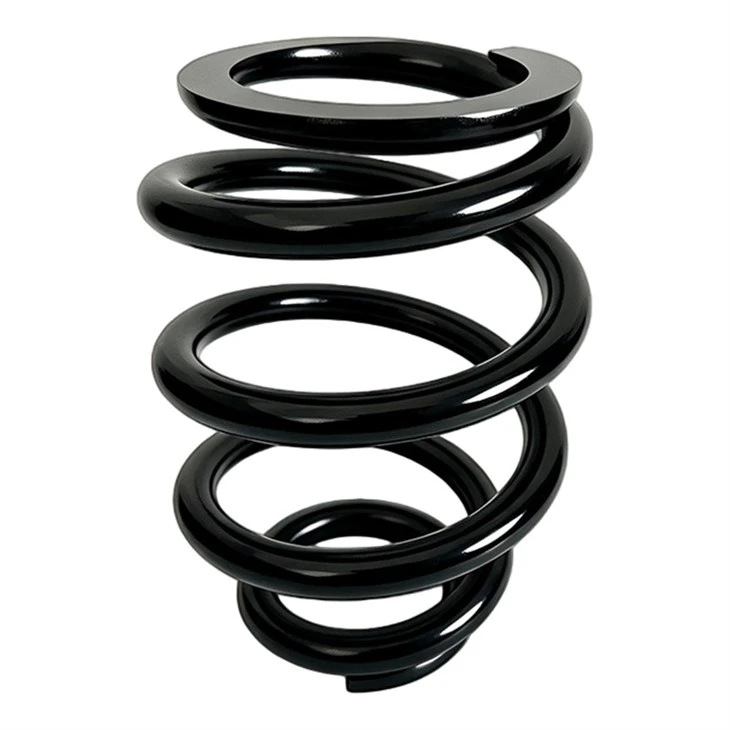
- Automotive Suspension Systems: High tension springs are used in automotive suspension systems to provide support and stability. In this application, the springs are exposed to a wide range of temperatures, from extreme cold to high heat. To ensure the performance and reliability of the suspension system, it is important to select the appropriate springs and to design them to withstand temperature changes. Automotive Suspension Spring
- Industrial Machinery: High tension springs are used in industrial machinery to provide tension and support. In this application, the springs are often exposed to high temperatures and harsh operating conditions. To ensure the performance and reliability of the machinery, it is important to select the appropriate springs and to design them to withstand temperature changes. Industrial Torsion Spring
- Aerospace Applications: High tension springs are used in aerospace applications to provide tension and support. In this application, the springs are exposed to a wide range of temperatures, from extreme cold to high heat. To ensure the performance and reliability of the aerospace system, it is important to select the appropriate springs and to design them to withstand temperature changes.
- Consumer Products: High tension springs are used in a wide range of consumer products, such as watches, pens, and toys. In this application, the springs are often exposed to normal room temperatures, but they may also be exposed to high temperatures during use. To ensure the performance and reliability of the consumer product, it is important to select the appropriate springs and to design them to withstand temperature changes. Light Duty Compression Springs Industrial Door Springs Small Compression Coil Springs
Conclusion
In conclusion, temperature changes can have a significant impact on the performance of high tension springs. When a spring is exposed to high temperatures, its material properties can change, leading to a decrease in its strength and stiffness. This can result in a loss of tension and a reduction in the spring's ability to store and release energy. On the other hand, low temperatures can also have an impact on the performance of high tension springs, making them more brittle and susceptible to cracking and failure.
To mitigate the impact of temperature on high tension springs, several strategies can be employed, including selecting the appropriate material, designing the spring to withstand temperature changes, and proper installation and maintenance. By taking these steps, it is possible to ensure the performance and reliability of high tension springs in temperature-sensitive environments.
If you are in need of high tension springs for your application, please feel free to contact us. We are a leading supplier of high tension springs, offering a wide range of products and services to meet your needs. Our team of experts can help you select the appropriate springs for your application and provide you with the support and guidance you need to ensure their performance and reliability.
References
- ASM Handbook, Volume 2: Properties and Selection: Nonferrous Alloys and Special-Purpose Materials. ASM International, 2001.
- Mechanical Springs Handbook. McGraw-Hill, 1987.
- Spring Design Handbook. Industrial Press, 2001.