What is the pitch of small conical springs?
Hey there! As a supplier of small conical springs, I often get asked about what the pitch of these springs actually means. So, let's dive right in and break it down in simple terms.
First off, what are small conical springs anyway? Well, they're springs that are shaped like a cone. Unlike regular cylindrical springs that have a constant diameter from one end to the other, conical springs get wider or narrower as you move along their length. These springs are super useful in many applications where you need a variable spring rate. For example, in automotive components, they can be used in suspension systems to provide a different level of resistance as the spring is compressed.
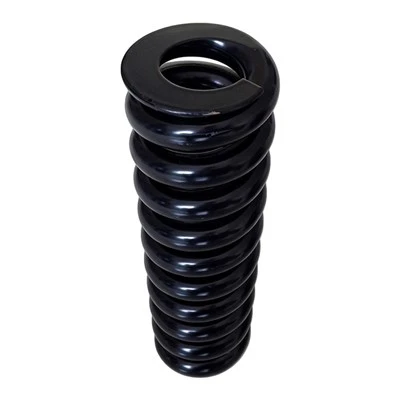
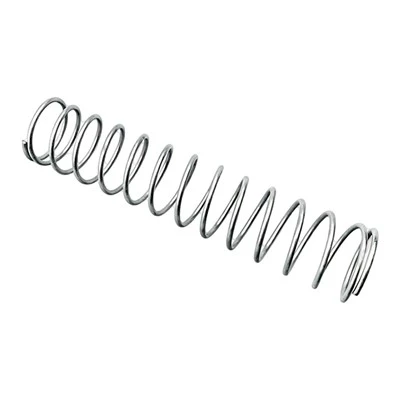
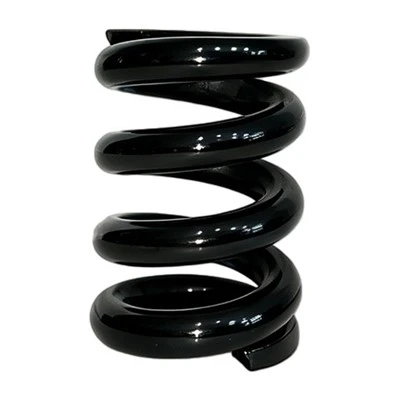
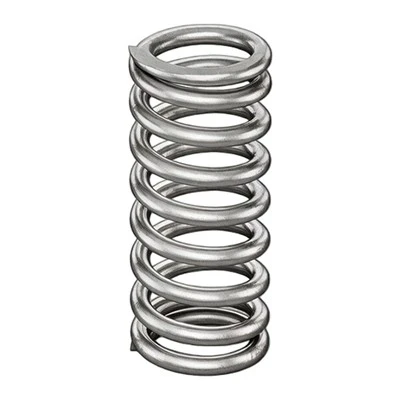
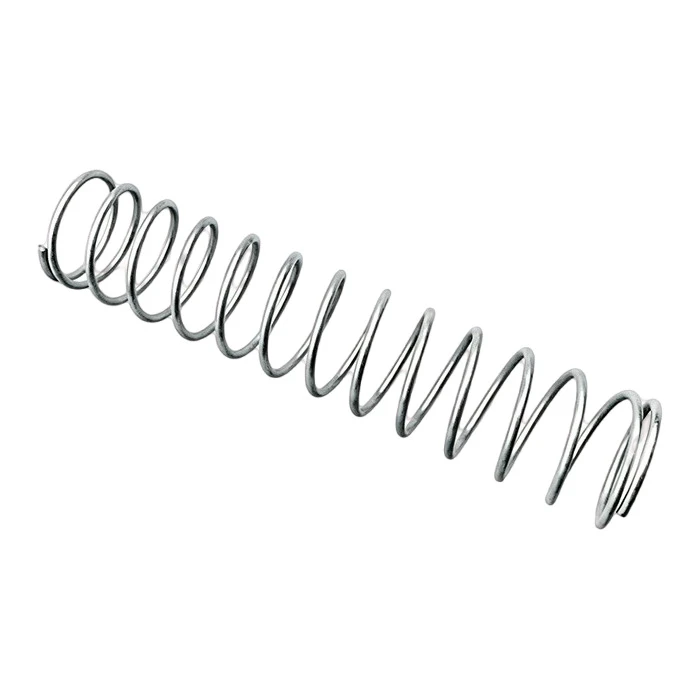
Now, let's talk about pitch. The pitch of a spring is basically the distance between consecutive coils. In the case of small conical springs, the pitch can vary along the length of the spring. At the narrower end, the coils might be closer together, and as you move towards the wider end, the coils can be farther apart.
Understanding the pitch of small conical springs is crucial because it directly affects the spring's performance. A smaller pitch means that the coils are closer together. This can result in a stiffer spring, as there's less space for the coils to move and compress. On the other hand, a larger pitch allows the coils more room to move, making the spring more flexible.
Let's say you're working on a project where you need a spring that can handle a lot of weight at the beginning of the compression but then becomes more flexible as it's compressed further. You'd want to design a conical spring with a smaller pitch at the narrower end and a larger pitch at the wider end. This way, the spring can provide the right amount of resistance at different stages of compression.
In some applications, the pitch of small conical springs is carefully calculated to ensure a specific spring rate. The spring rate is the amount of force required to compress the spring by a certain amount. By adjusting the pitch, you can fine - tune the spring rate to meet the exact requirements of the application.
For instance, in precision machinery, a small conical spring with a precisely controlled pitch is essential. These springs might be used to maintain a constant pressure on a small part, and even a slight variation in the pitch could lead to performance issues.
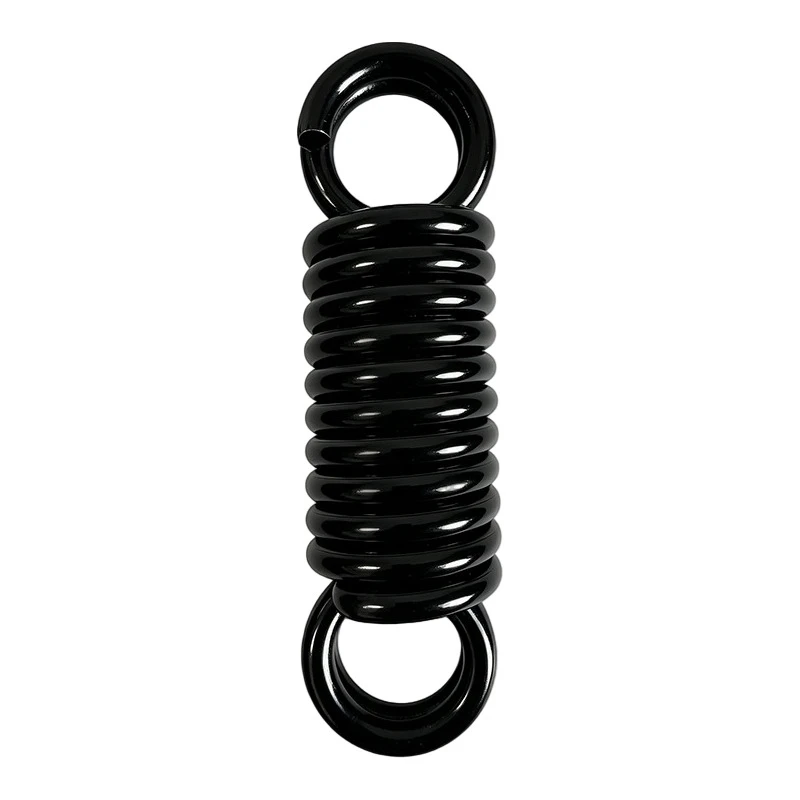
Now, let's touch on some related products. If you're also in the market for other types of springs, we've got you covered. We offer Large Extension Springs that are great for applications where you need a spring to stretch and provide a pulling force. These are commonly used in garage doors, for example.
Stainless Steel Extension Spring is another option. They're made from stainless steel, which means they're corrosion - resistant. This makes them ideal for outdoor applications or in environments where moisture is present.
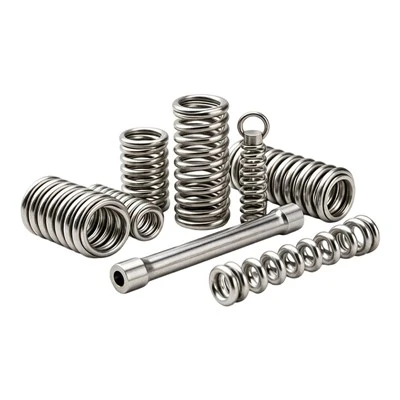
If compression is what you need, we have Precision Compression Springs that are designed to provide a specific amount of resistance when compressed. These are used in a wide range of industries, from electronics to aerospace.
Our SS Compression Springs are also made from stainless steel. They're similar to the precision compression springs but offer the added benefit of being rust - free, which is perfect for applications where durability is a must.
And for those high - demand applications, we have High Tension Springs. These springs are designed to handle a large amount of tension, making them suitable for heavy - duty machinery.
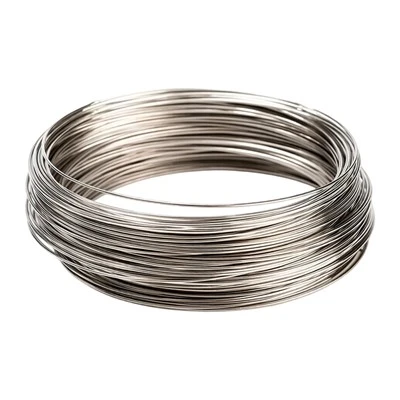
When it comes to manufacturing small conical springs, we take pride in using the latest technology and high - quality materials. We start by carefully selecting the right type of wire for the spring. The wire material can vary depending on the application. For example, if the spring needs to be strong and resistant to wear, we might use a high - carbon steel wire. If corrosion resistance is a priority, stainless steel would be a better choice.
Once the wire is selected, it's fed into a spring coiling machine. This machine is programmed to create the conical shape and the desired pitch. The operator can adjust the settings to control the shape, size, and pitch of the spring accurately.
After the spring is coiled, it goes through a series of finishing processes. This might include heat treatment to improve the spring's strength and durability. We also perform quality checks to make sure the spring meets the required specifications, including the pitch.
As a supplier, we understand that every customer has unique needs. Whether you need a small conical spring with a specific pitch for a medical device or a high - tension spring for an industrial machine, we're here to help. We can work with you to design and manufacture the perfect spring for your application.
If you're interested in our products or have any questions about small conical springs or any of our other spring offerings, don't hesitate to reach out. Our team of experts is always ready to assist you in finding the right solution for your project. We can provide samples, technical support, and competitive pricing.
In conclusion, the pitch of small conical springs plays a vital role in determining their performance. By understanding how pitch works, you can make informed decisions when choosing a spring for your application. And if you're in the market for high - quality springs, look no further. We're here to meet all your spring needs.
Contact us today to start the conversation and get the best spring solutions for your business.
References
- "Spring Design Handbook", Various authors, A technical book that provides in - depth knowledge about spring design, including pitch calculations.
- Industry standards and guidelines from the spring manufacturing association, which offer information on best practices for manufacturing springs with different pitches.