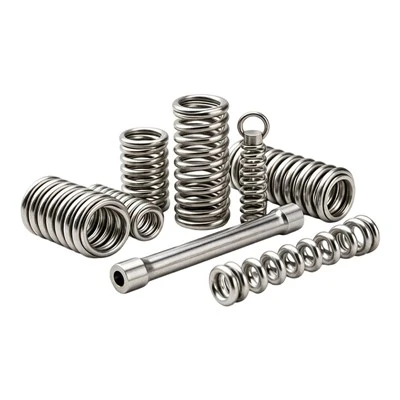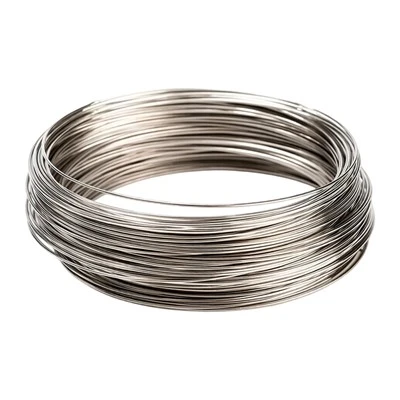
Hey there! As a supplier of Extension Helical Springs, I often get asked about how to adjust the pre - load of these springs. So, I thought I'd share some tips and tricks on this topic.
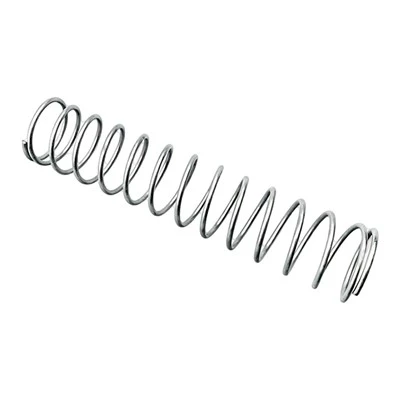
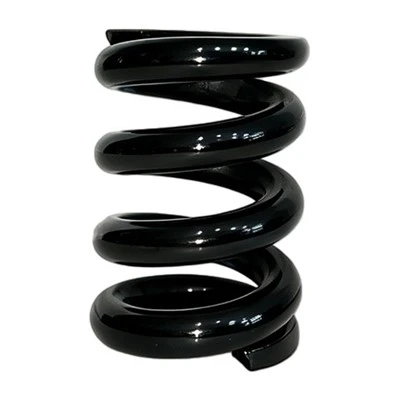
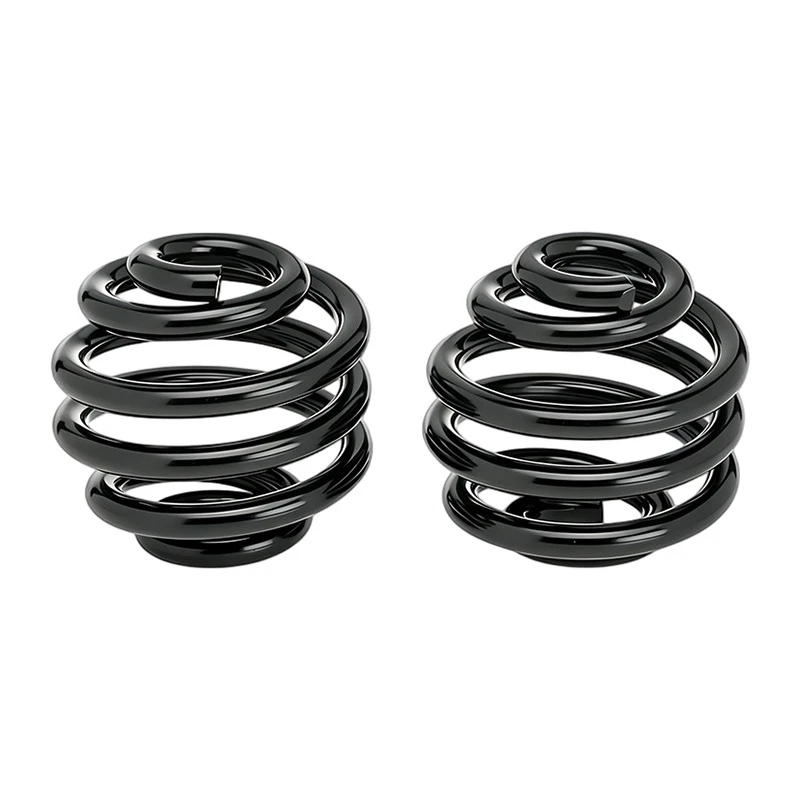
First off, let's understand what pre - load is. Pre - load in an Extension Helical Spring is the initial tension that's already present in the spring before any external force is applied. It's like the spring's "starting point" of resistance. Adjusting the pre - load can be crucial for getting the right performance out of your spring, whether it's in a Motorcycle Springs, a piece of machinery, or any other application.
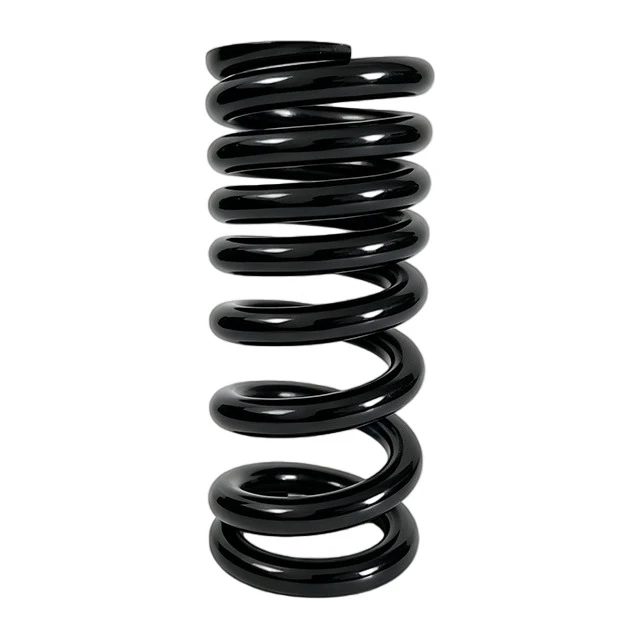
Why Adjust the Pre - load?
There are a few reasons you might want to adjust the pre - load. Maybe the spring is too loose and not providing enough resistance for your application. Or perhaps it's too tight, causing unnecessary stress on other components. By adjusting the pre - load, you can fine - tune the spring's performance to match your specific needs.
Tools You'll Need
Before you start adjusting the pre - load, you'll need a few tools. A pair of pliers is a must - have. You'll also need a spring scale to measure the force. And depending on the type of spring and its location, you might need a wrench or a screwdriver to access and make the necessary adjustments.
Step 1: Measure the Current Pre - load
The first step is to measure the current pre - load of the spring. Attach the spring scale to one end of the spring and pull gently until the coils start to separate. The reading on the spring scale at this point is the current pre - load. Make sure to record this value as it'll be a reference for your adjustments.
Step 2: Decide on the Desired Pre - load
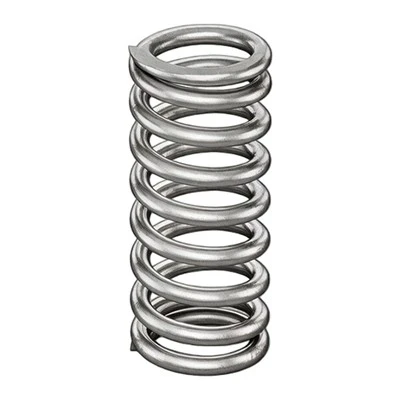
Based on your application, you need to figure out what the ideal pre - load should be. If you're working on a Stainless Steel Coil Spring for a precision instrument, you might need a very specific pre - load value. On the other hand, if it's for a more general - purpose application, you can work within a certain range.
Step 3: Adjusting the Pre - load
Now, let's get to the actual adjustment. If you need to increase the pre - load, you can use the pliers to gently twist the end coils of the spring. This will compress the coils slightly and increase the initial tension. But be careful not to overdo it, as too much twisting can damage the spring.
If you need to decrease the pre - load, you can do the opposite. Use the pliers to gently pull the end coils apart. This will reduce the initial tension in the spring. Again, make small adjustments and keep checking the pre - load with the spring scale.
Step 4: Re - measure and Fine - tune
After making an adjustment, re - measure the pre - load using the spring scale. If the value is still not within your desired range, make another small adjustment and re - measure. Keep doing this until you get the right pre - load.
Special Considerations for Different Types of Springs
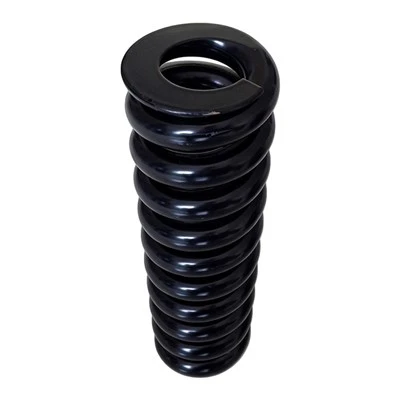
Not all Extension Helical Springs are the same. For Heavy Extension Springs, the adjustment process might be a bit more challenging due to their higher strength. You may need more powerful tools and more force to make the adjustments.
Special Shaped Spring can also be tricky. Their unique shapes can affect how the pre - load is distributed and adjusted. In these cases, it's important to have a good understanding of the spring's design and how it behaves under different loads.
High Tension Springs require extra caution. These springs are designed to handle high loads, and any incorrect adjustment can lead to a sudden release of energy, which can be dangerous. Always follow safety procedures when working with high - tension springs.
Common Mistakes to Avoid
One common mistake is making large adjustments at once. This can easily lead to over - or under - adjusting the pre - load. It's better to make small, incremental adjustments and check the pre - load after each one.
Another mistake is not using the right tools. Using improper tools can damage the spring and make the adjustment process more difficult. Make sure you have the correct tools for the job.
Conclusion
Adjusting the pre - load of an Extension Helical Spring is a process that requires patience and precision. By following the steps I've outlined and being aware of the special considerations for different types of springs, you can get the right pre - load for your application.
If you're in the market for high - quality Extension Helical Springs or need more advice on spring adjustment, don't hesitate to reach out. We're here to help you find the perfect spring solution for your needs. Whether it's for a small DIY project or a large - scale industrial application, we've got you covered.
References
- "Spring Design Handbook" by Spring Manufacturers Institute
- "Mechanical Springs" by Joseph E. Shigley and Charles R. Mischke