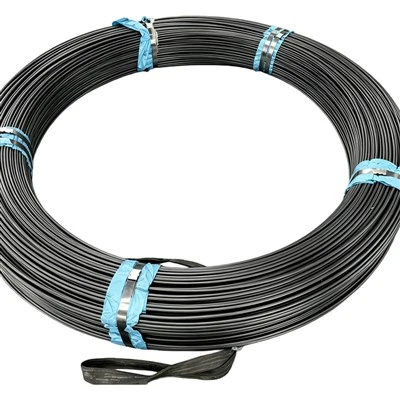
Hey there! As a metal spring supplier, I often get asked how to choose the right metal spring for a specific application. It's not as straightforward as it might seem, but don't worry, I'm here to break it down for you.
Understanding Your Application
The first step in choosing the right metal spring is to understand the specific requirements of your application. Consider factors like the amount of force the spring will need to exert, its range of motion, and the environmental conditions it will be exposed to.
For example, if you're working on a project that involves an industrial door, you'll need springs that can handle a significant amount of weight and repeated use. Our Industrial Door Springs are designed specifically for this purpose, offering high durability and the ability to withstand heavy loads.
On the other hand, if you're dealing with a smaller, more delicate device, you might need Small Strong Springs. These springs pack a lot of power into a small size and are perfect for applications where space is limited.
Types of Metal Springs
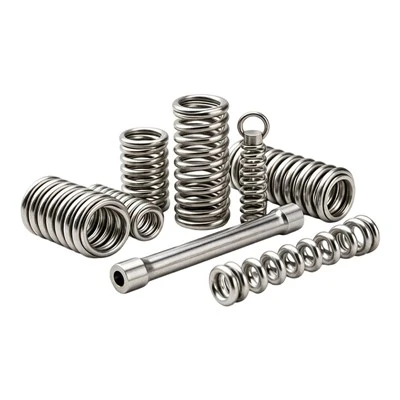
Once you have a clear idea of your application, it's time to look at the different types of metal springs available. Here are some of the most common ones:
Compression Springs
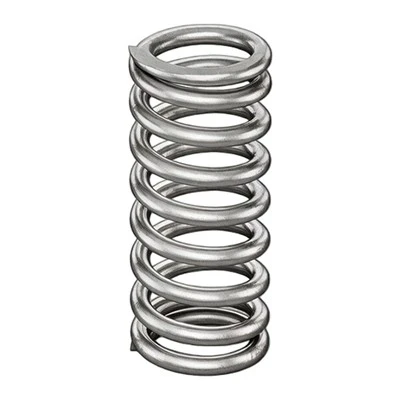
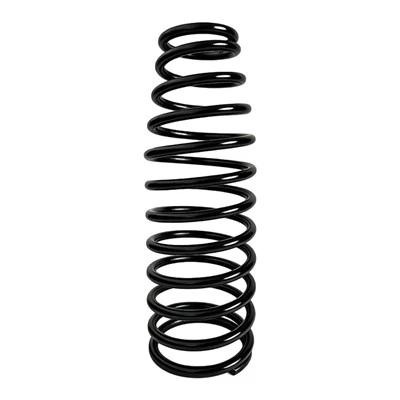
Compression springs are designed to resist compression. They're commonly used in automotive engines, furniture, and electronics. These springs work by pushing back when they're compressed, storing energy in the process. When the force is removed, they return to their original shape.
Extension Springs
Extension springs, as the name suggests, are designed to resist stretching. They're typically used in items like garage doors, trampolines, and agricultural equipment. These springs have hooks or loops at each end that allow them to be attached to other components.
Torsion Springs
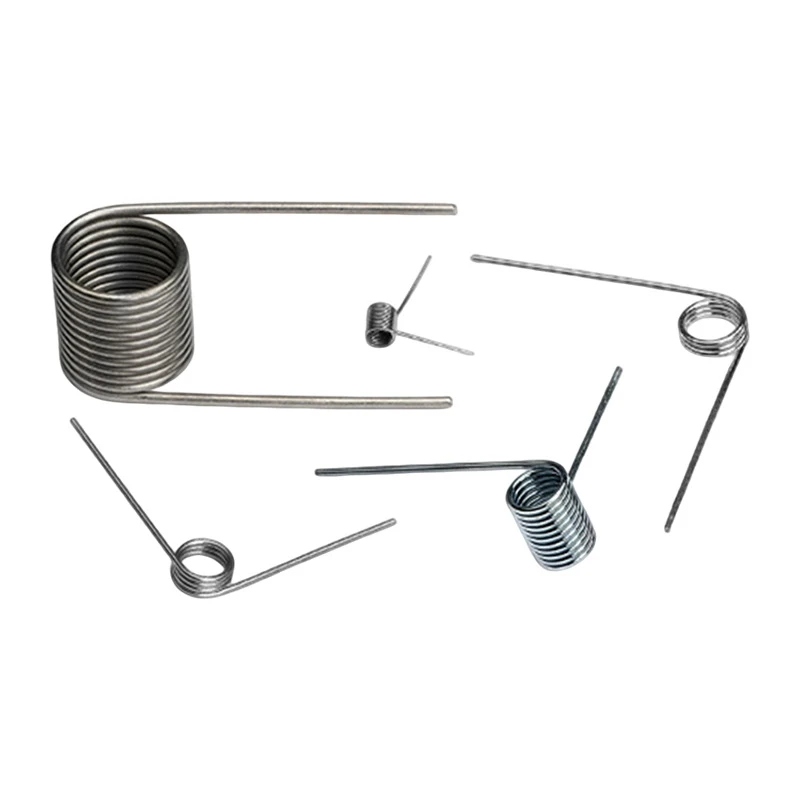
Torsion springs work by twisting or rotating. They're often used in applications like door hinges, clips, and balance mechanisms. Our Industrial Torsion Spring is a great example of a high-quality torsion spring that can handle demanding industrial applications.
Special Shaped Springs
Sometimes, standard springs just won't cut it. That's where Special Shaped Spring come in. These springs are custom-designed to fit specific application requirements. They can be made in a variety of shapes and sizes, making them ideal for unique or complex projects.
Material Selection
The material used to make the spring is also a crucial factor in the selection process. Here are some common materials and their properties:
Steel
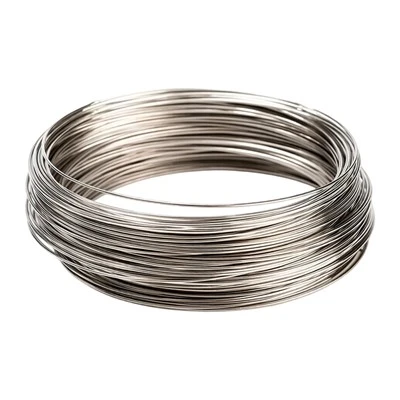
Steel is the most commonly used material for metal springs. It's strong, durable, and relatively inexpensive. Different types of steel, such as carbon steel, stainless steel, and alloy steel, offer varying levels of strength, corrosion resistance, and flexibility.
Stainless Steel
Stainless steel is a popular choice for applications where corrosion resistance is a concern. It's commonly used in marine environments, food processing equipment, and medical devices.
Copper Alloys
Copper alloys, such as brass and bronze, are known for their excellent electrical conductivity and corrosion resistance. They're often used in electrical applications and decorative items.
Titanium
Titanium is a lightweight and extremely strong material. It's used in applications where weight is a critical factor, such as aerospace and automotive industries.
Consider the Environment
The environment in which the spring will operate can have a significant impact on its performance and lifespan. For example, if the spring will be exposed to extreme temperatures, you'll need to choose a material that can withstand those conditions.
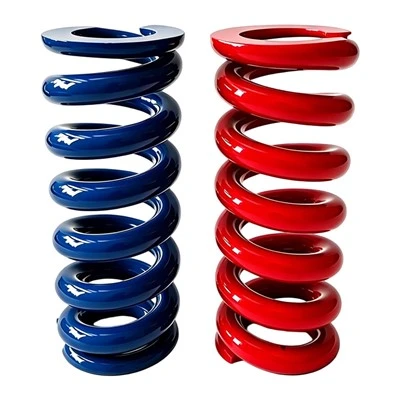
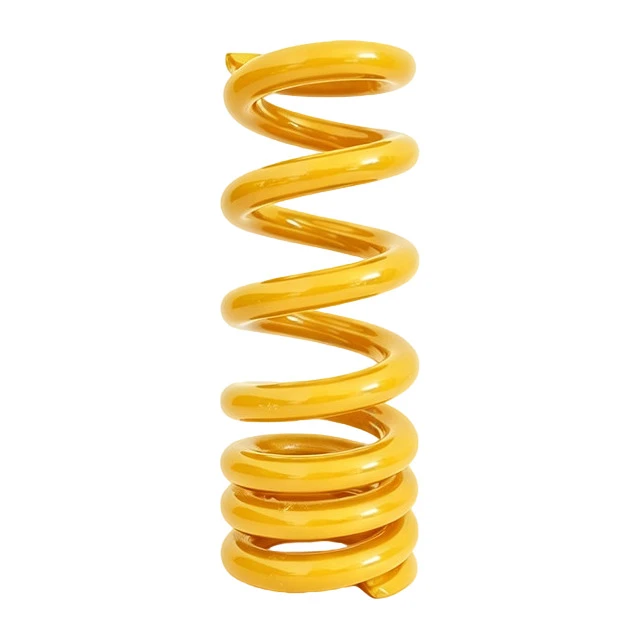
If your spring is going to be used in a motorcycle, for instance, consider our Motorcycle Shock Absorber Springs. These springs are designed to work in the high-stress environment of a motorcycle, providing reliable shock absorption and performance.
Dimensional and Tolerance Requirements
The dimensions of the spring, including its diameter, length, and pitch, are crucial to its performance. You also need to consider the tolerance requirements, which specify how much variation is acceptable in the spring's dimensions.
For example, a spring with a tight tolerance will be more precise but may also be more expensive to manufacture. Make sure to work closely with your spring supplier to determine the right dimensions and tolerances for your application.
Testing and Quality Assurance
Before choosing a spring, it's important to understand the testing and quality assurance processes that the supplier uses. A reputable supplier will conduct various tests to ensure that the springs meet the required specifications.
These tests may include load testing, fatigue testing, and corrosion resistance testing. By choosing a supplier who performs these tests, you can be confident that you're getting a high-quality spring that will perform well in your application.
Cost Considerations
While cost should not be the only factor in your decision, it's still an important consideration. The cost of a spring can vary depending on factors like the material used, the type of spring, the complexity of the design, and the quantity ordered.
It's a good idea to get quotes from multiple suppliers to compare prices. However, remember that the cheapest option may not always be the best. Consider the quality, performance, and reliability of the spring as well.
Making the Right Choice
Choosing the right metal spring for a specific application requires a thorough understanding of your project requirements, the different types of springs available, and the materials they're made from. By taking the time to consider all these factors, you can ensure that you select a spring that will meet your needs and provide reliable performance.
If you're still unsure about which spring is right for your application, don't hesitate to reach out to us. We're a metal spring supplier with years of experience, and we're happy to help you make the right choice. Whether you need a standard spring or a custom-designed one, we've got you covered.
Contact us today to start discussing your spring requirements and let's work together to find the perfect solution for your project!
References
- "Mechanical Springs Handbook"
- "Spring Design and Application"
- Industry standards and guidelines for metal springs